
How To Train When You Travel For Work
A practical business-travel workout and nutrition plan for busy professionals who want to stay consistent without perfect hotel gyms or meal prep.
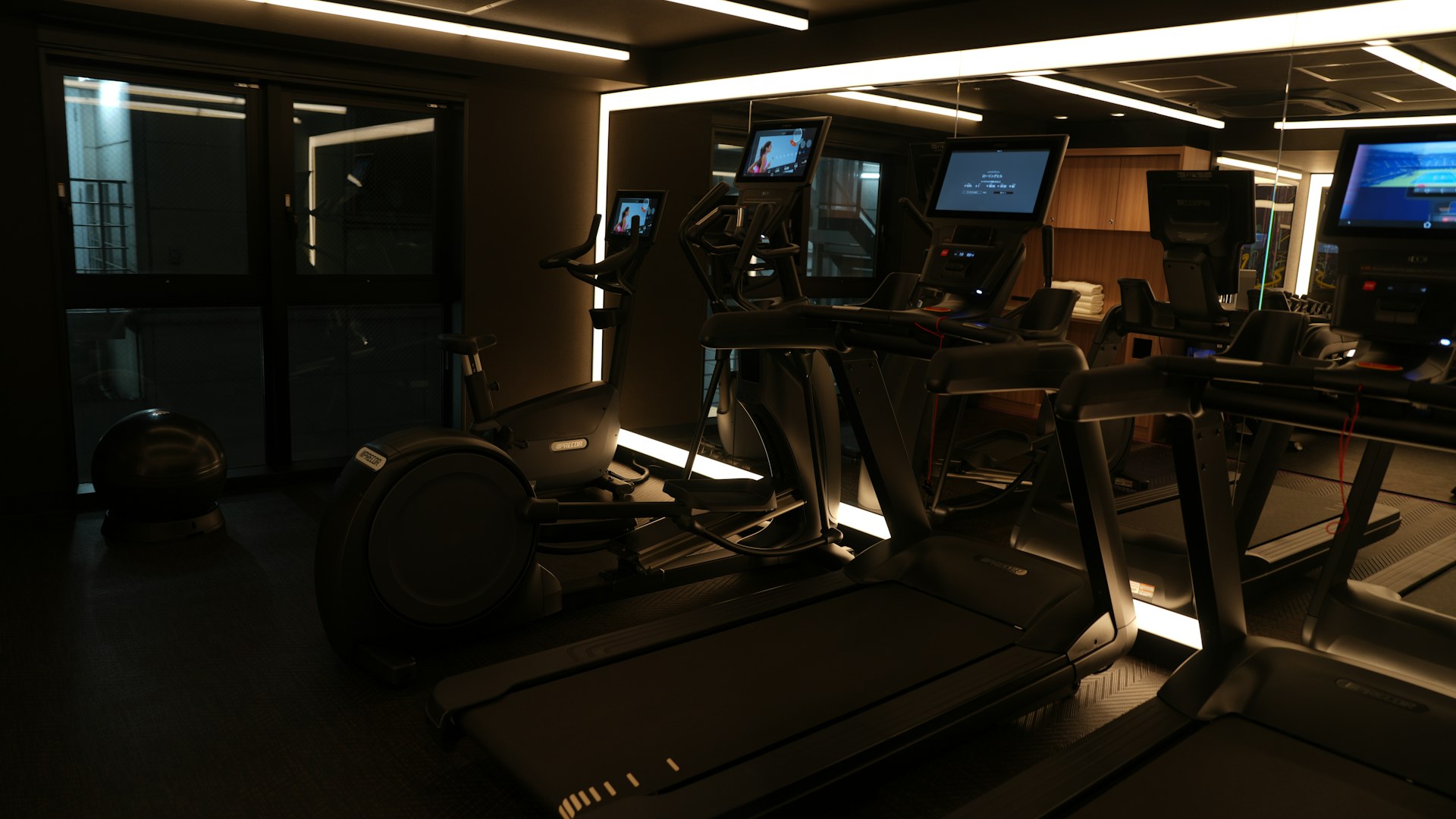
Travel does not ruin your progress.
Deciding that the trip is a free-for-all ruins your progress.
I am not pretending business travel is easy. Flights get delayed. Hotel gyms are often average at best. Client dinners do not always happen at the time you planned. You may be working from a different time zone with a laptop open before breakfast and after dinner.
That is exactly why your travel plan needs to be simpler than your normal plan.
The win on a travel week is not hitting personal records. It is not cooking every meal. It is not coming home lighter than when you left. The win is staying in the game so you can return to your normal routine without needing another reset.
Change the Goal for Travel Weeks
On a normal week, you may be pushing training progress, building a consistent calorie deficit, or working toward a specific body-composition goal.
On a travel week, the goal is usually maintenance of momentum.
That means you keep training where you can, keep protein high enough to make food decisions easier, walk more, and avoid turning every meal into a blowout. You stay connected to the plan even if the plan looks smaller for a few days.
This mindset matters because a lot of men make travel an excuse to do nothing. Then the trip ends on Friday, they feel behind, the weekend gets loose, and Monday becomes another attempted restart.
You do not need to be perfect on the road. You need to avoid disappearing.
Plan the Travel Week Before You Pack
The easiest way to fail on a work trip is to wait until you arrive to make every decision.
Before you leave, look at the itinerary and answer four questions:
- Which two or three time windows could I realistically train?
- Does the hotel have a gym, and what equipment does it have?
- Which meals are most likely to be difficult: airport breakfast, client dinner, late room service, or all of them?
- What is my B option if a planned workout does not happen?
Book the training window before the trip decides for you. It might be 30 minutes before your first meeting. It might be after a client dinner. It might be a dumbbell workout in the room. The important thing is that the session has a place in the plan.
That same thinking is what keeps a demanding job from taking over your fitness at home. If work is the ongoing problem, read How To Stay Fit With A Demanding Job and build your normal-week and travel-week options together.
Option 1: The Hotel-Gym Full-Body Workout
If the hotel gym has dumbbells, a bench, and a few basic machines, keep it simple. You do not need a perfect program for three days. You need a full-body session you can complete without wasting twenty minutes looking for equipment.
Use four movements:
- A squat or leg press variation
- A press variation
- A row or pulldown variation
- A hinge or hamstring variation
Do two or three hard sets of each. Control the reps. Use a weight you can actually own. If you have to swing the dumbbell or rush every rep, the weight is too heavy for the situation.
If you only have 20 or 30 minutes, do the first three movements and move on with your day. A shortened full-body session beats the workout you keep promising to do tomorrow.
Option 2: The Dumbbell-Only Fallback
Sometimes the hotel gym has exactly one working bench, mismatched dumbbells, and a treadmill. That is still enough.
Use a dumbbell goblet squat, dumbbell Romanian deadlift, dumbbell press, and one-arm row. Do a few controlled rounds with short rests. You are not trying to recreate your entire home program. You are giving your body a useful signal and keeping the habit intact.
You can also make the walking matter more on those days. Use the airport terminal. Take a call outside. Walk after dinner. Long travel days create plenty of sitting, so movement has value even when it does not look like a formal workout.
Option 3: The Bodyweight Version
If there is no gym, there is still no reason to do nothing.
Use a simple circuit of split squats, push-ups, hip hinges or glute bridges, rows if you have a band or safe setup, and a core movement. Keep the pace honest. Do not turn it into a sweaty punishment session because you are angry that the gym is bad.
The goal is to leave feeling like you followed through. That is what makes it easier to train again tomorrow or when you get home.
Eat Like a Man Who Has a Plan, Not a Perfect Kitchen
Travel food gets messy when every meal becomes a fresh decision.
Start with protein. At an airport, hotel breakfast, restaurant, or room-service menu, find the protein source first. Then build the meal around it. This one rule will not make every meal perfect, but it will stop you from drifting into pastries, snacks, drinks, and whatever shows up in front of you because you were starving.
Next, decide the obvious meals early. If you know you are having a client dinner, do not spend the whole day starving to “save calories.” Eat normally, hit protein, and make a reasonable choice at dinner. The meal is not the problem. The all-or-nothing reaction to it is.
For practical meal structure, use the same approach in the High-Protein Meal Guide. You need meals that work in real life, not a perfect kitchen setup you only have at home.
The Rule for When You Get Home
Do not come home and try to make up for the trip.
No punishment cardio. No starving all day. No “I will start again Monday” speech.
Resume your normal plan at the next meal or the next training session. That is it.
The faster you return to the normal rhythm, the less power the travel week has over the rest of the month. The men who stay in shape long term are not the ones who never travel or never eat out. They are the ones who know how to return to the plan without drama.
When a Coach Makes Travel Easier
Travel is one of the clearest examples of why a template is not the same as coaching.
A template cannot see that your hotel gym has no barbell. It cannot swap a session after a delayed flight. It cannot help you decide what the B option is when you are exhausted after a client dinner. A coach can.
That is the job: make the plan fit the week you actually have, then keep you accountable to the version of it you can complete.
If travel, long work hours, or unpredictable weeks are the reason you keep restarting, apply for the 90-Day Program. The goal is not to build a plan that looks good in a PDF. The goal is to build one you can follow in a real life.
Takeaways
- Travel weeks are about maintaining momentum, not chasing a perfect workout week.
- Book two or three realistic training windows before the trip begins.
- Use a simple full-body hotel-gym, dumbbell, or bodyweight session.
- Build meals around protein and decide obvious food choices early.
- Walk more, do not panic when the routine changes, and do not disappear from tracking.
- Resume your normal plan at the next meal or session when you get home.
COMMON QUESTIONS
Yes. A short full-body session keeps the habit, gives you useful training stimulus, and makes it easier to return to your normal routine when you get home.
Use a simple dumbbell or bodyweight session, walk more, and focus on maintaining momentum. You do not need a perfect facility to keep the week from becoming a restart.
Plan protein-forward meals, decide obvious airport and restaurant choices early, keep walking, and avoid treating every dinner as a free-for-all.