THE RIGHT ENERGY BALANCE
Tyler sets calories based on your current body composition, training experience, and priority. Recomposition rarely needs an aggressive deficit and often performs better with patience.
Body recomposition coaching for people who care about how they look, feel, and perform, not just what the scale says.

Recomposition is about changing the ratio of muscle to body fat. That takes patient nutrition, progressive lifting, and better tracking than scale weight alone.
Your weight is acceptable, but you do not like your current shape or definition.
You want to lose fat without looking smaller or feeling weaker.
You are returning to training and want to rebuild muscle while leaning out.
You need help deciding whether to cut, maintain, or use a small surplus.
The strategy balances fat loss with the training stimulus and recovery needed to build or preserve muscle.
Tyler sets calories based on your current body composition, training experience, and priority. Recomposition rarely needs an aggressive deficit and often performs better with patience.
Your program creates a measurable reason for your body to keep or build muscle. Exercise quality and progression matter more than simply burning calories.
Photos, measurements, gym performance, consistency, and scale trends are reviewed together. A flat scale can still accompany a meaningful change in your physique.
The goal changes from person to person. The standard does not: a plan that fits, honest execution, and adjustments based on what is actually happening.
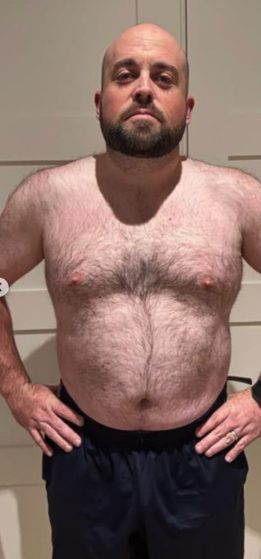



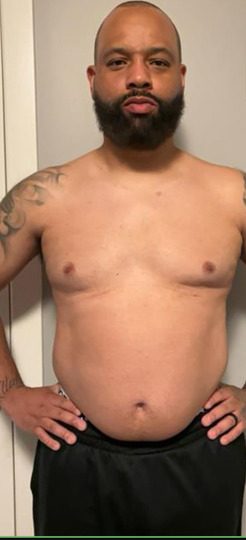

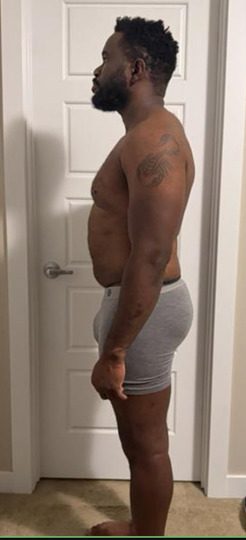

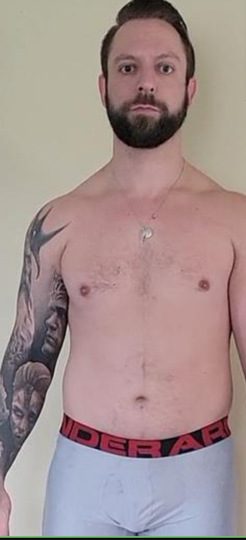



Recomposition works when training, nutrition, and measurement all point toward the same outcome.
Tyler determines whether you should begin in a deficit, around maintenance, or with a controlled surplus based on your current position.
The plan prioritizes progressive resistance training and enough recovery to support muscle while nutrition controls body-fat direction.
Weekly trends decide the next adjustment. Photos and performance keep the strategy honest when scale weight alone is misleading.
Yes, especially for beginners, people returning after time away, and clients with room to improve their training and nutrition. More advanced lifters may need distinct fat-loss and muscle-building phases.
Weight loss focuses primarily on reducing total body weight. Recomposition focuses on improving the balance of muscle and fat, so scale changes may be slower even while measurements, photos, and strength improve.
It is usually a slower process than an aggressive diet because two outcomes are being balanced. The timeline depends on training experience, body composition, consistency, and the size of the change you want.
Typical markers include body weight trends, progress photos, measurements, gym performance, nutrition consistency, activity, recovery, and how your clothes fit.
Apply for body recomposition coaching and build a plan around the physique you actually want.