Why You’re Not Losing Fat
Why You Are Not Losing Body Fat Fat loss is one of the most misunderstood goals in fitness. Most people believe that if they are training consistently and eating relatively well, results should be...
Why You Are Not Losing Body Fat
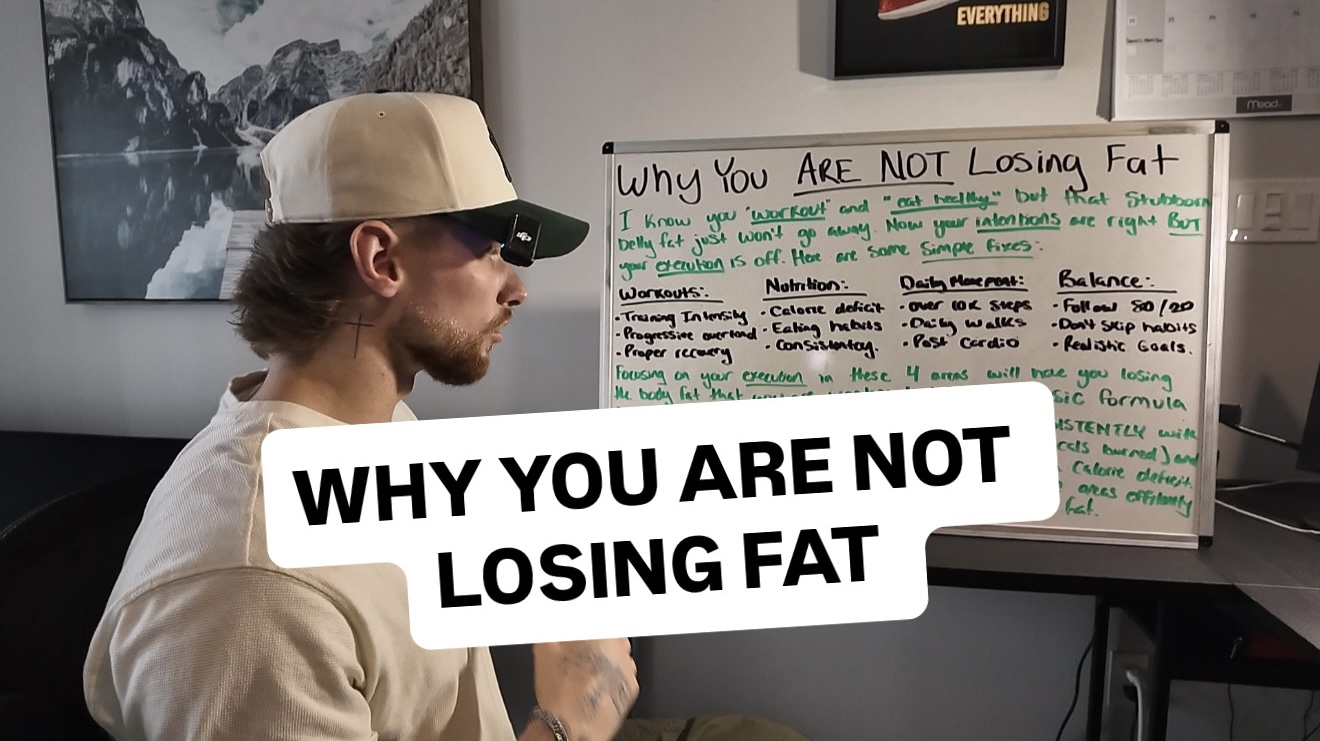
Fat loss is one of the most misunderstood goals in fitness. Most people believe that if they are training consistently and eating relatively well, results should be guaranteed. When those results do not show up, frustration sets in and confidence drops. The assumption quickly becomes that something is wrong with their body, their metabolism, or their genetics.
In reality, body fat loss is not controlled by a single habit. It is the outcome of how your training, nutrition, daily movement, and overall life balance work together over time. When one of those areas is misaligned, progress slows or stops entirely. This does not mean you are failing. It means the system needs adjustment.
Your Workouts Are Not Sending a Clear Signal
Exercise is not just about burning calories. Training is communication. Every workout tells your body what to adapt to. If that message is unclear or inconsistent, your body has no reason to change.
One of the most common mistakes is training without structure. People jump between workouts, machines, classes, or programs without any sense of progression. They show up, sweat, leave tired, and repeat the same process week after week. While this feels productive, the body adapts quickly to repeated stress. Once adapted, fat loss slows.
Another issue is relying too heavily on cardio. Long sessions of steady cardio can burn calories, but without resistance training, the body often loses muscle along with fat. Muscle plays a major role in shaping your physique and supporting metabolism. When muscle is not maintained, fat loss becomes harder and the end result often looks softer, not leaner.
Effective fat loss training requires intention.
• Progressive resistance training that challenges the muscles over time
• Adequate rest between sets to allow proper performance
• A clear focus on improving strength, control, or volume
• Cardio used as a supplement, not the foundation
When workouts are rushed, random, or based purely on how tired you feel, the body stops responding. Fat loss is not about exhaustion. It is about adaptation.
Nutrition Feels Healthy but Is Not Aligned With Fat Loss
This is where most people unintentionally stall their progress.
Eating healthy foods does not automatically lead to fat loss. Body fat is lost when energy intake is consistently lower than energy output over time. Many people eat high quality foods but still consume more calories than their body needs.
Common patterns show up again and again. Portions slowly increase. Snacks are untracked. Weekends are treated as exceptions. Liquid calories are overlooked. Small choices repeated daily quietly erase the deficit needed for fat loss.
Protein intake is another major factor. When protein is too low, hunger increases, cravings intensify, and muscle retention suffers. This leads to inconsistent eating patterns and makes fat loss feel far harder than it needs to be.
Fat loss nutrition should feel boring, repeatable, and realistic.
• Sufficient protein to support muscle and satiety
• Calorie intake that reflects your actual activity level
• Consistency across the entire week, not just weekdays
• A structure that allows flexibility without chaos
If nutrition requires perfection, it will eventually fail. Sustainable fat loss comes from habits you can maintain even when life gets busy.
Daily Movement Is Lower Than You Think
Training sessions are only a small fraction of your day. What you do outside the gym often matters more than the workout itself.
Daily movement plays a massive role in energy expenditure. Steps, posture changes, standing, walking, and general activity all contribute to how many calories you burn each day. When people diet aggressively or train intensely, they often move less without realizing it. The body subconsciously conserves energy.
This is why fat loss can stall even when workouts and nutrition appear dialed in. Overall movement has dropped.
Walking is one of the most effective tools for fat loss because it adds energy output without adding stress. It supports recovery rather than competing with it.
• Low intensity movement that can be done daily
• Minimal impact on recovery and joint health
• Easy to scale up or down based on lifestyle
• Sustainable long term
If fat loss has slowed, increasing daily movement is often more effective than cutting more food or adding harder workouts.
Stress and Lifestyle Are Working Against You
This is the piece most people overlook and it is often the reason progress stalls despite effort.
Chronic stress affects hormones, sleep quality, hunger signals, and recovery. Poor sleep disrupts appetite regulation and increases cravings. High stress raises cortisol, which can make fat loss more difficult and increase fat storage, particularly around the midsection.
Many people try to force fat loss while exhausted, underfed, and overstimulated. They rely on caffeine, skip recovery, and push harder when results slow. The body does not respond well to this approach.
Fat loss is not just a physical process. It is a biological one.
• Adequate sleep supports hormone regulation
• Recovery allows the body to adapt to training
• Mental stress influences food choices and consistency
• Balance improves adherence over time
When the body feels threatened, it holds on. When it feels supported, it adapts.
The Real Reason Fat Loss Feels So Hard
Most people are doing many things right, just not in the right balance. Training hard but inconsistently. Eating well but without structure. Moving less than they think. Living in a constant state of stress.
Fat loss does not require extremes. It requires alignment.
When workouts are structured, nutrition is intentional, movement is consistent, and life allows recovery, fat loss becomes predictable. Not effortless, but predictable.
KEEP READING
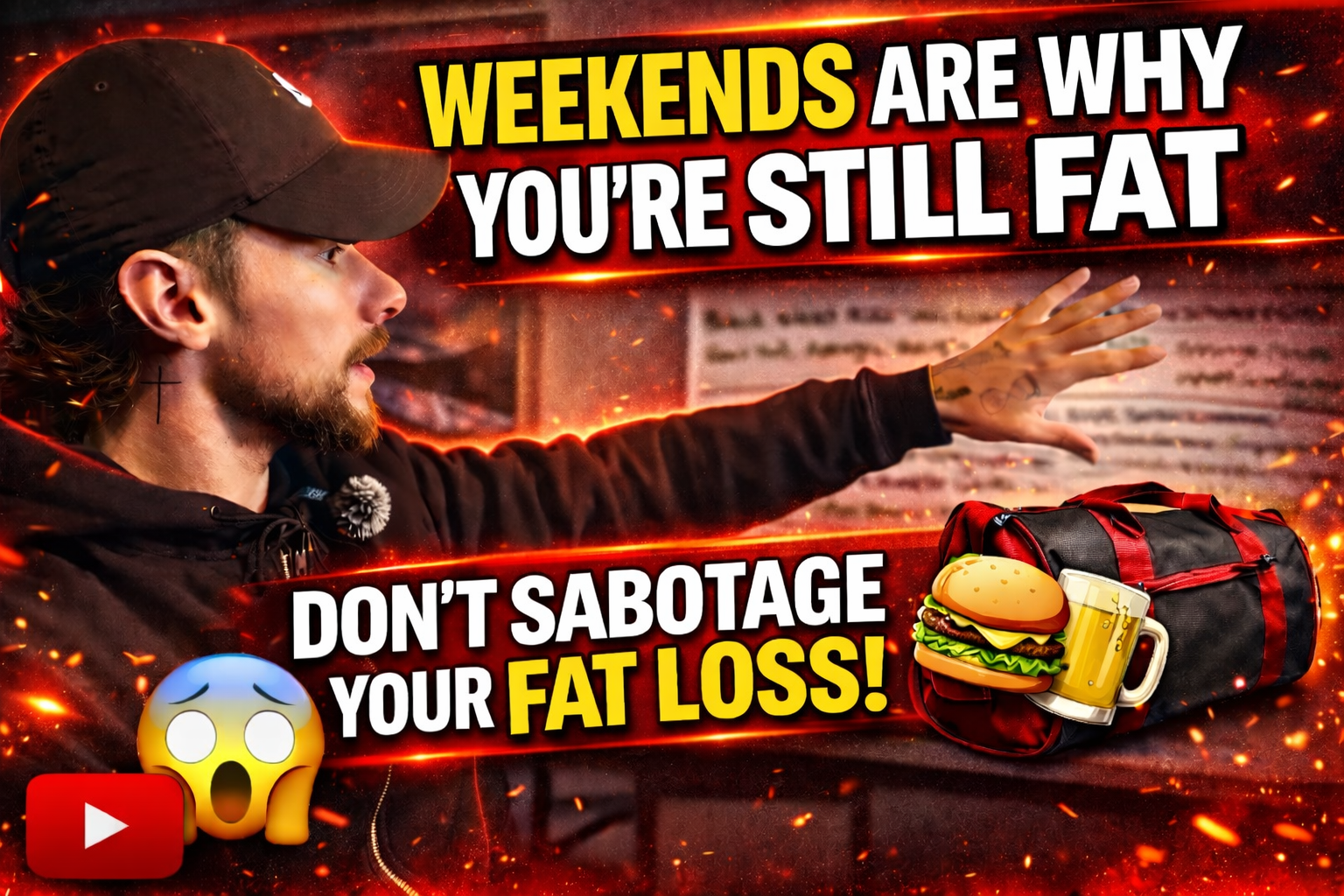
This Is Why You’re Still Fat
Look, I’m going to be completely real with you. You’re putting in the work. Monday through Thursday, you’re that person in the gym while everyone else is hitting the snooze button. You’re tracking...
Read Article →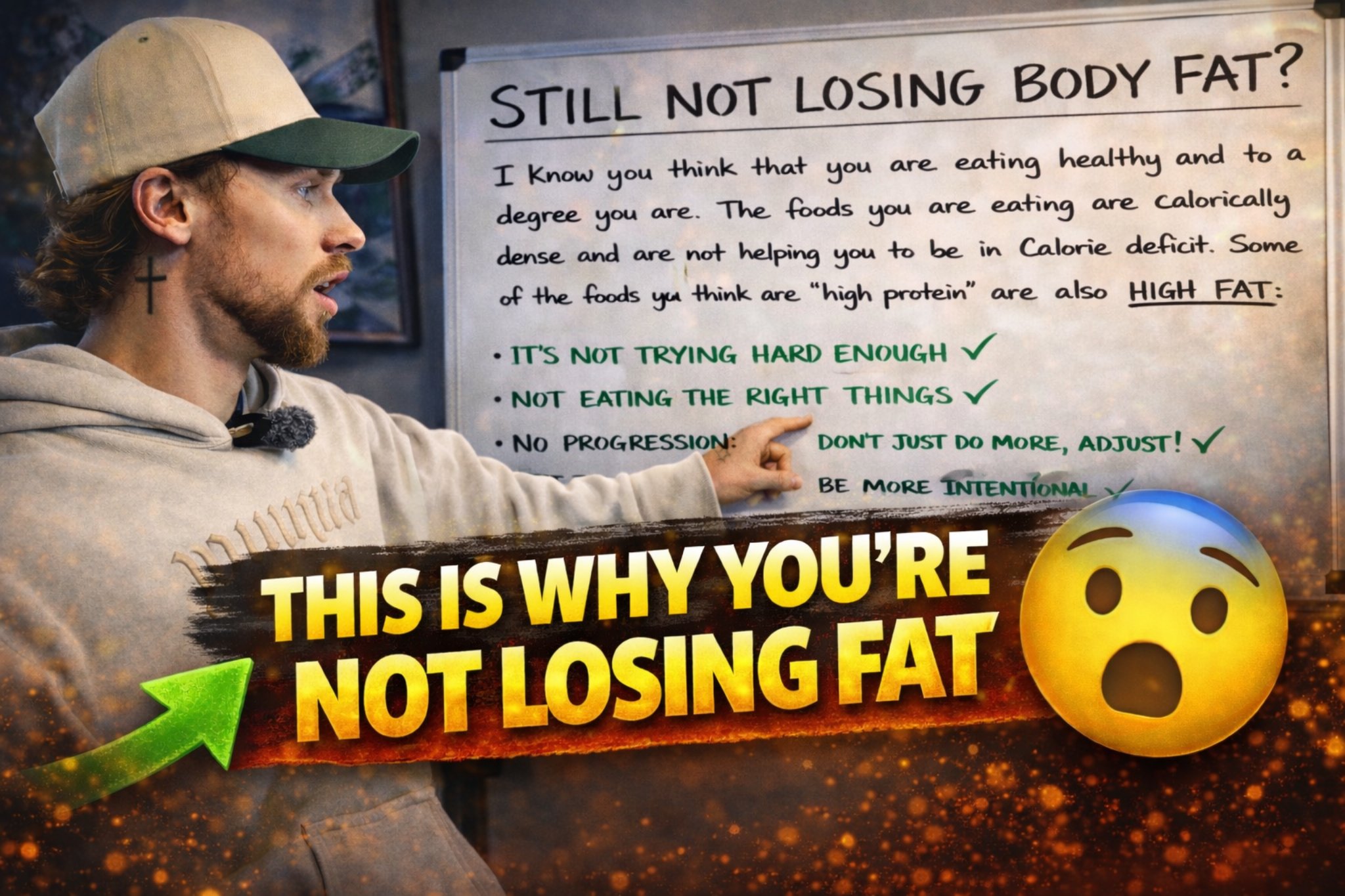
WHY YOU’RE NOT LOSING FAT
Why You’re Still Not Losing Body Fat The Hidden Mistakes That Are Holding You Back Losing body fat sounds simple in theory, but in practice it can be incredibly frustrating. Many people feel like...
Read Article →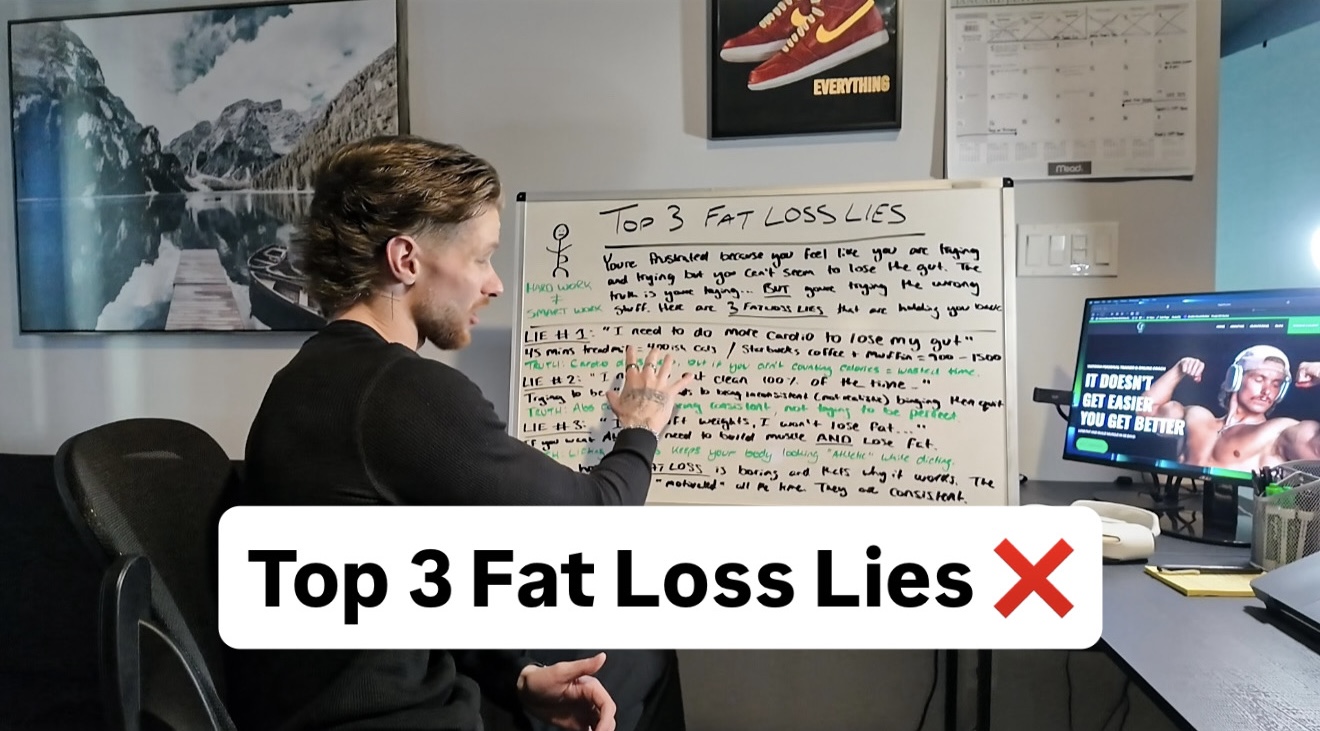
The 3 Biggest Fat Loss Lies
The 3 Biggest Fat Loss Lies (And Why They’re Keeping You Stuck) If you’ve been trying to lose body fat for a while, there’s a good chance you’re not failing because you’re “lazy” or “unmotivated.”...
Read Article →