WHY YOU’RE NOT LOSING FAT
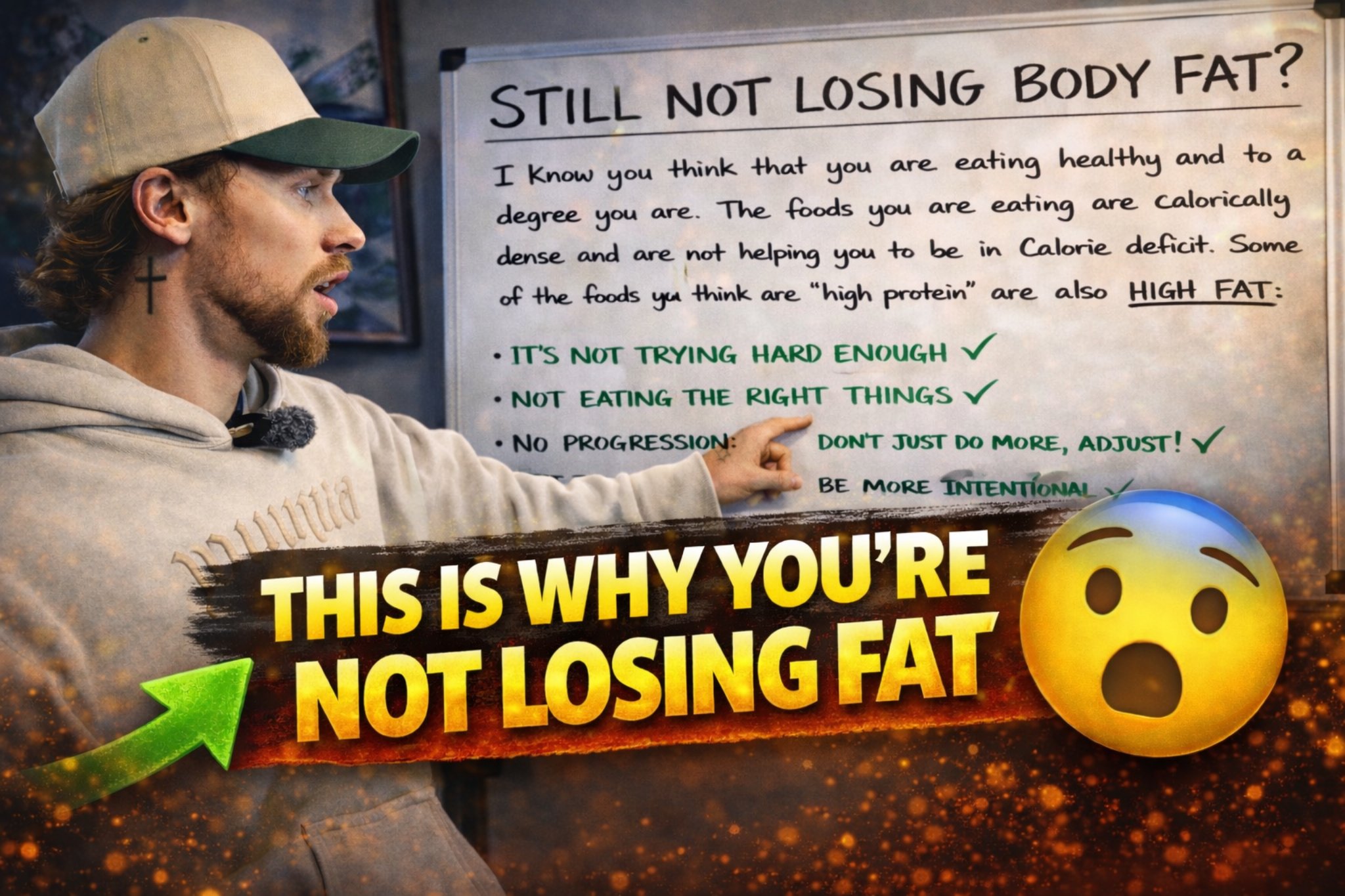
Why You’re Still Not Losing Body Fat The Hidden Mistakes That Are Holding You Back Losing body fat sounds simple in theory, but in practice it can be incredibly frustrating. Many people feel like...
Why You’re Still Not Losing Body Fat
The Hidden Mistakes That Are Holding You Back
Losing body fat sounds simple in theory, but in practice it can be incredibly frustrating. Many people feel like they are doing everything right. They go to the gym consistently, they try to eat healthy foods, and they put effort into their routine. Yet weeks or even months go by with little to no visible change.
This situation is far more common than most people think.
What makes it even more frustrating is that the effort is real. The time spent in the gym is real. The intention to improve health and body composition is real. But the results simply are not matching the effort.
When this happens, people often assume they just need to push harder. They add more workouts, more cardio, or cut their food intake drastically. Sometimes this works temporarily, but in many cases it only creates burnout, fatigue, and frustration.
The reality is that fat loss rarely stalls because people are not trying hard enough. More often, it stalls because of a few small mistakes that quietly prevent progress.
These mistakes are usually not obvious. They hide inside everyday habits, food choices, and training routines. Individually they may seem small, but together they can completely prevent a calorie deficit from occurring.
Understanding these mistakes is the key to finally making progress.
Fat Loss Always Comes Back to Energy Balance
Before diving into the common mistakes, it is important to understand the fundamental principle behind fat loss.
Your body loses fat when it consistently burns more energy than it consumes. This is known as a calorie deficit.
When the body requires more energy than it receives from food, it begins using stored energy. A portion of this stored energy comes from body fat.
If the body receives equal or greater energy than it burns, fat loss will not occur. It does not matter how healthy the food is or how many workouts are performed. Without a calorie deficit, the body has no reason to use stored fat for fuel.
Many people understand this concept in theory, but in practice they unknowingly eat enough calories to cancel out their deficit.
This does not mean they are overeating intentionally. It simply means small habits and misunderstandings around nutrition slowly add calories back into the day.
Over time, those calories prevent fat loss from happening.
The Healthy Food Illusion
One of the most common reasons people struggle to lose body fat is the belief that eating healthy automatically leads to weight loss.
Healthy food choices are extremely important for overall health, energy levels, and long-term sustainability. However, healthy foods are not automatically low calorie.
Many nutritious foods are actually very calorie dense.
For example, foods such as nuts, peanut butter, avocado, olive oil, granola, trail mix, and cheese all contain beneficial nutrients. They can absolutely be part of a balanced diet. But they are also high in calories, especially because many of them contain large amounts of fat.
Fat contains nine calories per gram, which is more than double the calories found in carbohydrates or protein.
This means a small portion of certain healthy foods can contain a surprisingly large number of calories.
A tablespoon of peanut butter contains roughly 100 calories. Two spoonfuls quickly become 200 calories. A handful of almonds can easily reach 200 to 300 calories as well.
These foods are easy to overconsume because they do not create the same level of fullness as larger, lower-calorie foods.
Someone might replace chips or fast food with peanut butter toast, nuts, and avocado toast and believe they are making the right choice. Nutritionally they may be improving their diet, but calorie intake may still be too high to support fat loss.
This is why many people say things like, “I eat healthy but I still can’t lose weight.”
The issue usually is not the food quality. It is the calorie density.
When “High Protein” Foods Aren’t Actually High Protein
Protein is one of the most important nutrients for anyone trying to lose body fat.
Higher protein intake helps preserve muscle mass while dieting. It improves recovery from training. It also increases satiety, meaning people feel fuller for longer periods of time.
However, many foods that people believe are high in protein are actually much higher in fat.
Foods like cheese, peanut butter, nuts, and certain protein snack bars contain some protein, but the majority of their calories often come from fat.
For example, a serving of peanut butter may contain eight grams of protein but also sixteen grams of fat. The calories coming from fat outweigh the protein significantly.
Similarly, cheese contains protein but is also very high in fat.
This does not mean these foods are bad. It simply means they should not be relied on as primary protein sources when trying to lose fat.
High quality protein sources are foods where the majority of calories come from protein rather than fat.
Examples include chicken breast, turkey, lean ground beef, egg whites, Greek yogurt, cottage cheese, and fish.
These foods provide larger amounts of protein for fewer calories, making them far more effective for fat loss.
When someone believes they are eating a high protein diet but most of their protein is coming from high-fat foods, calorie intake can climb quickly without realizing it.
Training Without Progression
Nutrition is only one side of the fat loss equation. Training also plays a critical role in body composition.
Many people go to the gym regularly but follow the same routine week after week without progression.
They use the same weights, perform the same number of repetitions, and follow the same exercises for months or even years.
The human body is incredibly adaptive. When exposed to the same stimulus repeatedly, it becomes more efficient at performing that activity. Over time the workout becomes easier for the body to handle.
When workouts stop challenging the body, progress slows dramatically.
This is where the principle of progressive overload becomes important.
Progressive overload means gradually increasing the demand placed on the body during training.
This can include lifting heavier weights, performing additional repetitions, improving exercise technique, or reducing rest times between sets.
Each of these adjustments signals the body to continue adapting.
Without progression, the body has no reason to change.
For someone trying to lose fat and reveal muscle definition, strength training should feel challenging. Workouts should push the body to improve over time.
Simply showing up to the gym is not enough. The intensity and progression of the training matter.
Why Doing More Is Not Always the Answer
When fat loss slows down, many people respond by increasing the amount of work they are doing.
They add more cardio sessions, extend their workouts, or drastically cut their food intake.
While increasing activity can sometimes help, it is not always the most effective solution.
Often the issue lies in the details rather than the total amount of work being done.
For example, someone might add thirty minutes of cardio to their routine but unknowingly add an extra snack afterward that cancels out the calories burned.
Another person might double their workouts but fail to improve their nutrition habits.
In these cases, doing more work simply creates more fatigue without fixing the underlying problem.
Instead of automatically adding more activity, it is often better to step back and evaluate the entire routine.
Are portion sizes larger than expected?
Is protein intake high enough?
Are workouts challenging and progressive?
Is daily movement consistent outside the gym?
Answering these questions often reveals the real reason progress has stalled.
Daily Movement Matters More Than People Think
Many people believe fat loss only happens during structured workouts. In reality, a large portion of daily calorie expenditure comes from everyday movement.
Walking, standing, taking stairs, and general activity throughout the day all contribute to energy expenditure.
Someone who trains for an hour in the gym but spends the rest of the day sitting may burn fewer total calories than someone who stays active throughout the day.
This is why step count and daily movement are often emphasized in fat loss programs.
Increasing daily movement does not require intense workouts. Simple habits like walking more frequently, parking further away, taking walking breaks, or choosing stairs over elevators can significantly increase daily calorie expenditure.
Over time these small increases in movement add up.
The Importance of Being Intentional
Fat loss rarely happens by accident.
It requires intentional habits and consistent actions.
Being intentional means paying attention to portion sizes instead of guessing. It means prioritizing protein sources that support muscle and satiety. It means training with focus and intensity instead of going through the motions.
It also means recognizing when progress stalls and adjusting the strategy rather than repeating the same behaviors.
Many people try to lose fat while operating entirely on autopilot. They assume that going to the gym a few times per week should automatically produce results.
But meaningful progress usually requires more awareness and structure.
This does not mean life must become restrictive or obsessive. It simply means understanding the habits that drive results.
The Real Formula for Sustainable Fat Loss
Despite the overwhelming amount of information online, fat loss ultimately comes down to a few core principles.
Consistent resistance training helps build and maintain muscle while dieting.
Daily movement increases overall calorie expenditure.
A high protein diet supports recovery, preserves muscle, and helps control hunger.
Whole foods provide nutrients while making it easier to manage calorie intake.
Most importantly, maintaining a calorie deficit over time allows the body to gradually lose stored fat.
When these fundamentals are aligned, fat loss becomes far more predictable.
Extreme diets and complicated strategies are rarely necessary.
Consistency with the basics will almost always outperform complicated plans that cannot be maintained.
Final Thoughts
If you feel like you are doing everything right but still not losing body fat, the solution is rarely to simply work harder.
More often, the solution is to refine the strategy.
Pay closer attention to calorie intake and portion sizes. Choose protein sources that truly support your goals. Progress your training instead of repeating the same routine. Increase daily movement outside the gym.
Most importantly, focus on consistency with the fundamentals.
Fat loss does not require perfection. It requires alignment between your habits and your goal.
Once those habits are dialed in, the results tend to follow.
KEEP READING
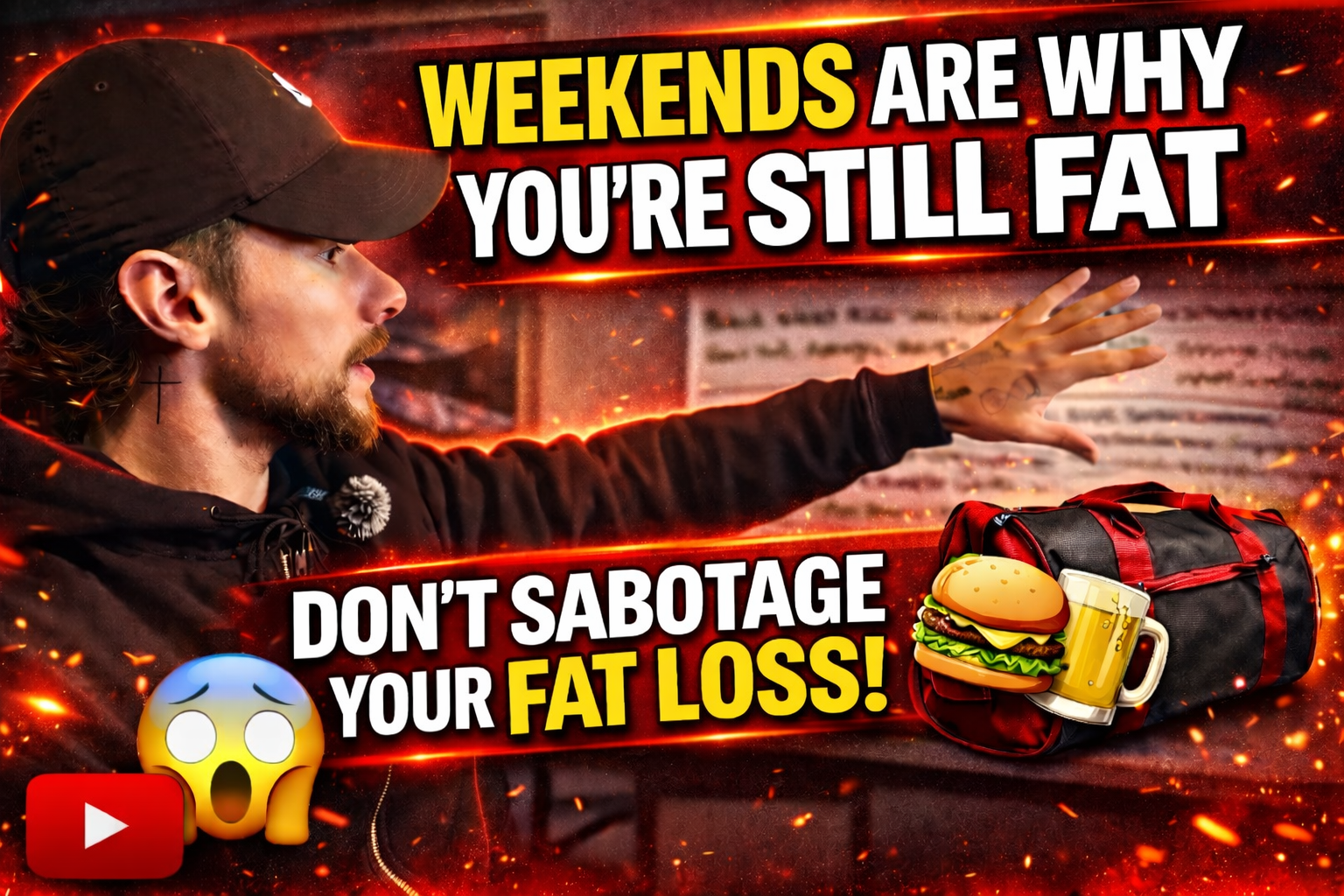
This Is Why You’re Still Fat
Look, I’m going to be completely real with you. You’re putting in the work. Monday through Thursday, you’re that person in the gym while everyone else is hitting the snooze button. You’re tracking...
Read Article →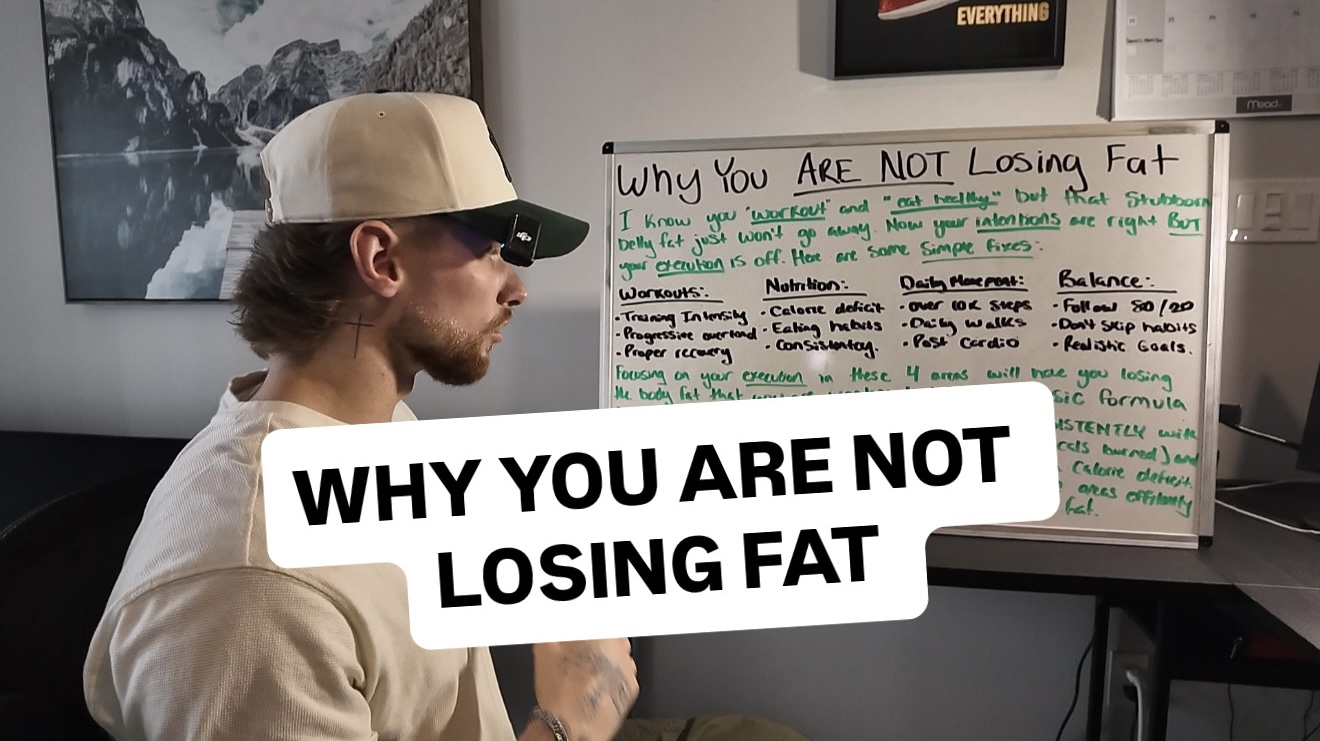
Why You’re Not Losing Fat
Why You Are Not Losing Body Fat Fat loss is one of the most misunderstood goals in fitness. Most people believe that if they are training consistently and eating relatively well, results should be...
Read Article →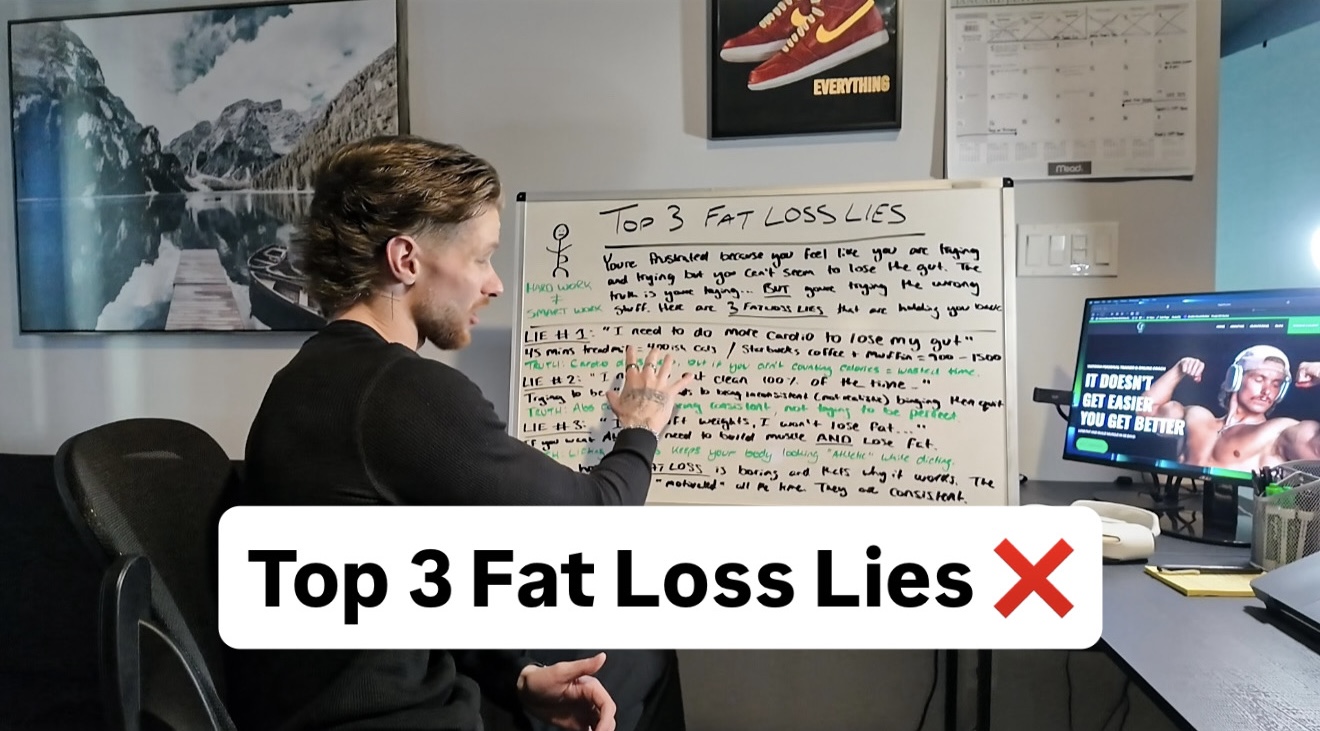
The 3 Biggest Fat Loss Lies
The 3 Biggest Fat Loss Lies (And Why They’re Keeping You Stuck) If you’ve been trying to lose body fat for a while, there’s a good chance you’re not failing because you’re “lazy” or “unmotivated.”...
Read Article →