Bulking Foods Vs Cutting Foods
Bulking Foods vs Cutting Foods Why the Food Isn’t the Problem — the Amount Is One of the biggest myths in fitness is that certain foods are “bulking foods” and others are “cutting foods.” People...
Why the Food Isn’t the Problem — the Amount Is
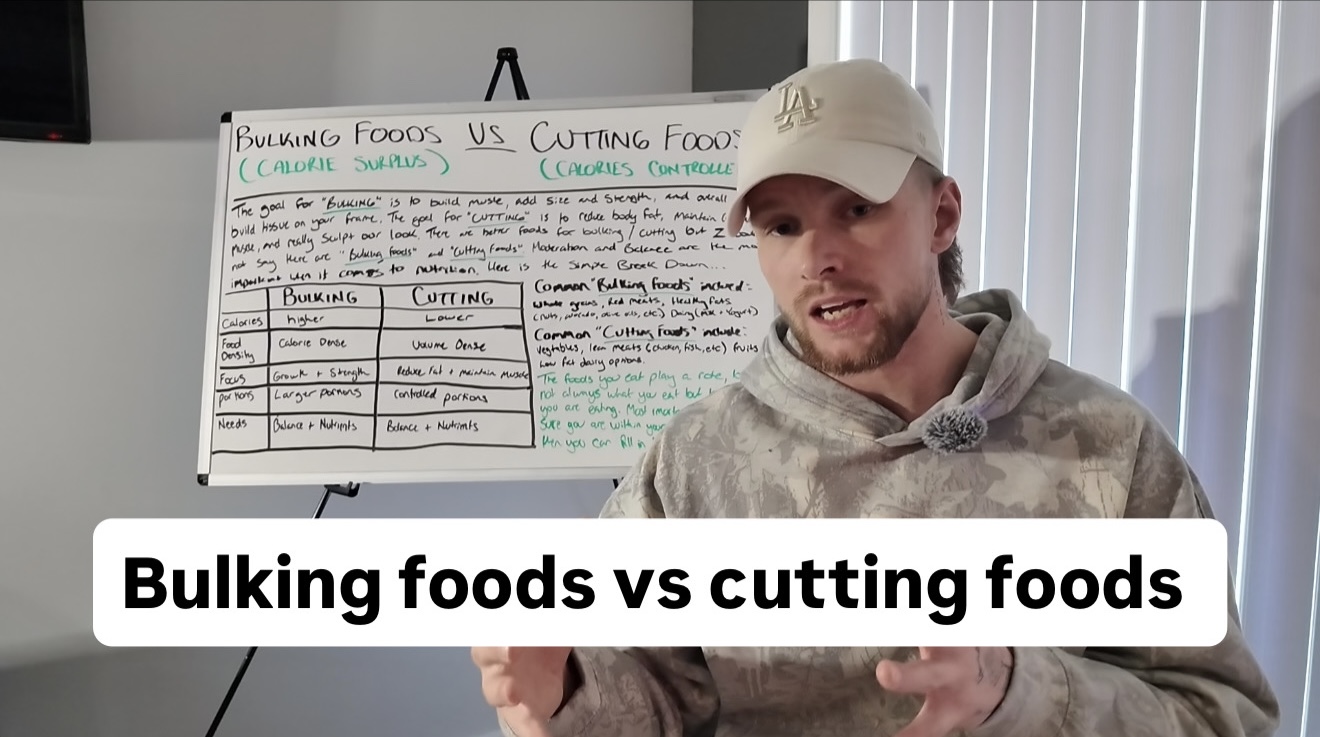
One of the biggest myths in fitness is that certain foods are “bulking foods” and others are “cutting foods.” People think you need to eat chicken and broccoli to lose fat and shovel down rice and peanut butter to build muscle. That mindset is why so many people struggle with consistency. The truth is simple and freeing. There are no bulk-only foods and no cut-only foods. What determines whether you gain weight or lose fat is how much you’re eating in total, not whether a food looks “clean” or “dirty.”
Bulking and cutting are not defined by food choices. They’re defined by calories and macros. Bulking means you’re eating more calories than your body needs to maintain its weight. Cutting means you’re eating fewer calories than maintenance. The foods you choose can make either phase easier or harder, but none of them magically switch your body into fat gain or fat loss mode on their own.
What People Call “Bulking Foods” and Why
Foods commonly labeled as bulking foods are usually higher in calories and easier to eat in larger amounts. These foods are helpful when you’re trying to gain muscle because they allow you to hit higher calorie targets without feeling painfully full all the time.
Think foods like rice, pasta, oats, potatoes, bread, peanut butter, olive oil, whole eggs, red meat, full-fat dairy, nuts, trail mix, granola, avocado, and protein shakes. These foods are not special muscle-building foods. They’re just energy-dense. When someone is bulking, they need more energy to fuel training, recovery, and growth, so these foods make that process easier.
That said, eating these foods does not automatically mean you’re bulking. You can eat rice, pasta, or peanut butter while cutting if your total calories are controlled. One spoon of peanut butter doesn’t make you gain fat. Ten mindless spoonfuls on top of an already high-calorie day might.
What People Call “Cutting Foods” and Why
On the flip side, foods labeled as cutting foods are typically lower in calories and higher in volume. They help you feel full while keeping calories lower, which is useful when fat loss is the goal.
Common examples include chicken breast, turkey, white fish, lean ground beef, egg whites, Greek yogurt, cottage cheese, vegetables, berries, rice cakes, potatoes, and salad-based meals. These foods are not fat-burning foods. They simply make it easier to stay in a calorie deficit without feeling miserable.
Just like bulking foods, these foods are not exclusive to cutting. You can build muscle while eating chicken, vegetables, and potatoes. You can gain weight eating “clean” foods if portions are large enough. Many people accidentally bulk on clean foods because they assume healthy equals low calorie.
Why There Are No Bulk-Only or Cut-Only Foods
Your body does not recognize food labels. It does not know if you’re eating a bulking food or a cutting food. It only responds to energy balance over time. If you consistently eat more calories than you burn, you gain weight. If you consistently eat fewer calories than you burn, you lose weight.
This is why two people can eat the exact same foods and get completely different results. One person might be in a calorie surplus and slowly gaining muscle. The other might be in a calorie deficit and losing fat. The difference is portion sizes, total intake, and consistency, not the food list itself.
Understanding this removes a ton of unnecessary stress. You don’t need to “switch foods” when you go from bulking to cutting. You adjust quantities. You might reduce fats slightly, lower carb portions, or be more mindful of calorie-dense foods, but nothing needs to be banned.
How Macros Fit Into Bulking and Cutting
Macros, short for macronutrients, are the three main nutrients that make up your calories: protein, carbohydrates, and fats. Every food you eat is made up of some combination of these three.
Protein is used to build and repair muscle. Carbohydrates provide energy, especially for training performance and recovery. Fats support hormone function, joint health, and overall health. Each macro has a calorie value. Protein and carbs have 4 calories per gram, while fats have 9 calories per gram.
When people talk about “tracking macros,” they’re talking about managing how much protein, carbs, and fats they eat each day to support their goal. This is where bulking and cutting actually become structured instead of guesswork.
Macro Examples for Bulking vs Cutting
When bulking, calories are higher, so carbs and fats are usually higher as well. Protein stays high to support muscle growth, but the extra calories typically come from carbs and fats. For example, someone bulking might aim for higher carb meals around training like rice, oats, potatoes, or pasta, along with healthy fats like avocado, oils, or nut butters to push calories up.
When cutting, calories are lower, but protein usually stays high to protect muscle. Carbs and fats are adjusted downward to create the calorie deficit. This often means choosing leaner protein sources, being more intentional with fats, and using carbs strategically to fuel workouts without overdoing them.
The foods themselves don’t change much. The portions do.
The Real Skill Is Control, Not Restriction
The people who make the best progress long-term aren’t the ones who label foods as good or bad. They’re the ones who understand how to control intake, hit their protein targets, and adjust portions based on their goal.
You can eat burgers while cutting. You can eat salads while bulking. You can eat carbs at night. You can eat fats during the day. None of these things matter as much as consistency, total intake, and adherence over time.
Once you understand that bulking and cutting are just phases of eating more or less while keeping protein high and training hard, nutrition becomes a tool instead of a mental battle. That’s when progress becomes predictable, sustainable, and way less stressful.
KEEP READING
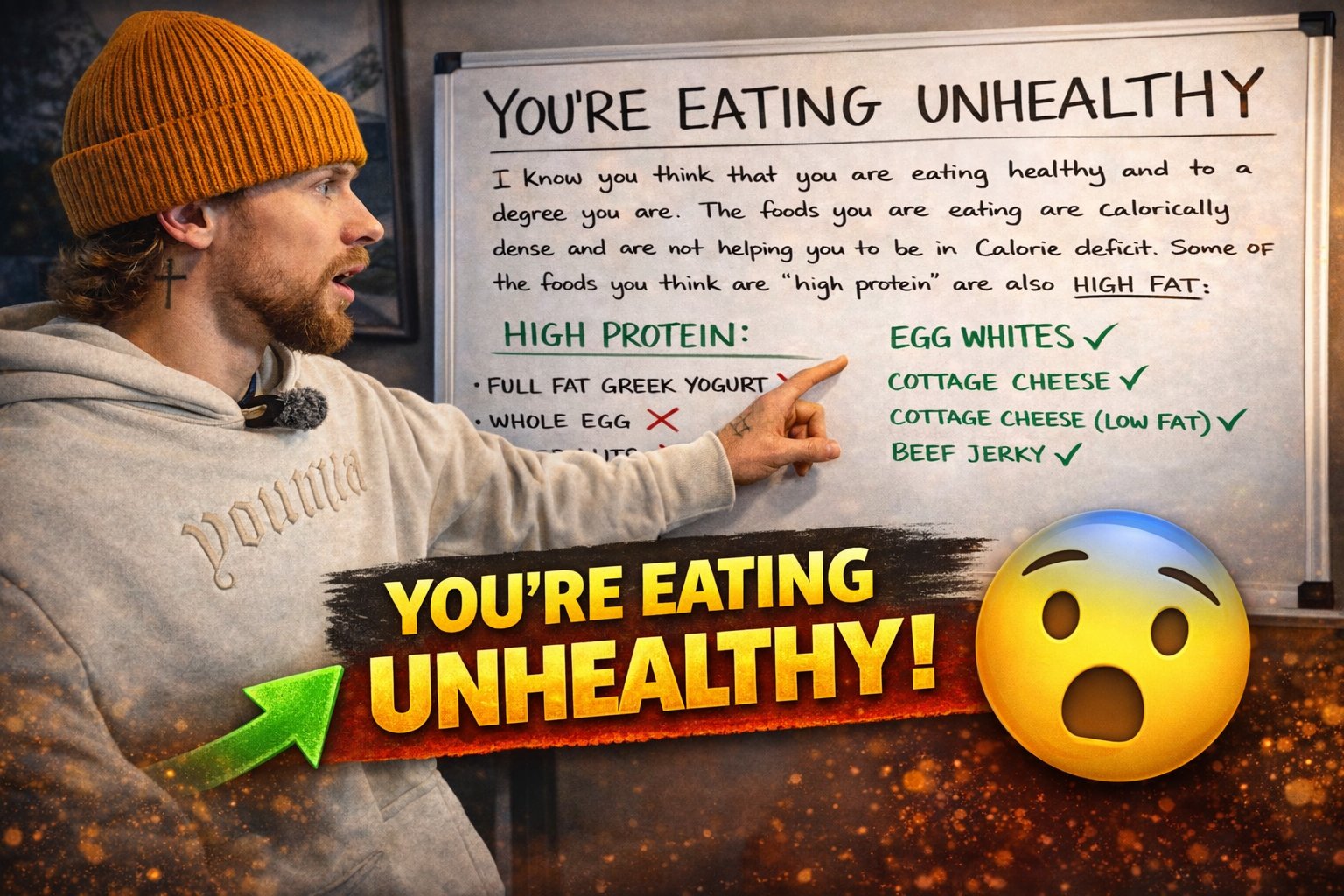
You’re Unhealthily Eating Healthy
You’re Eating “Healthy” — But You’re Still Not Losing Body Fat If you’ve cleaned up your diet, started training consistently, and still can’t lose belly fat, the problem probably isn’t what you...
Read Article →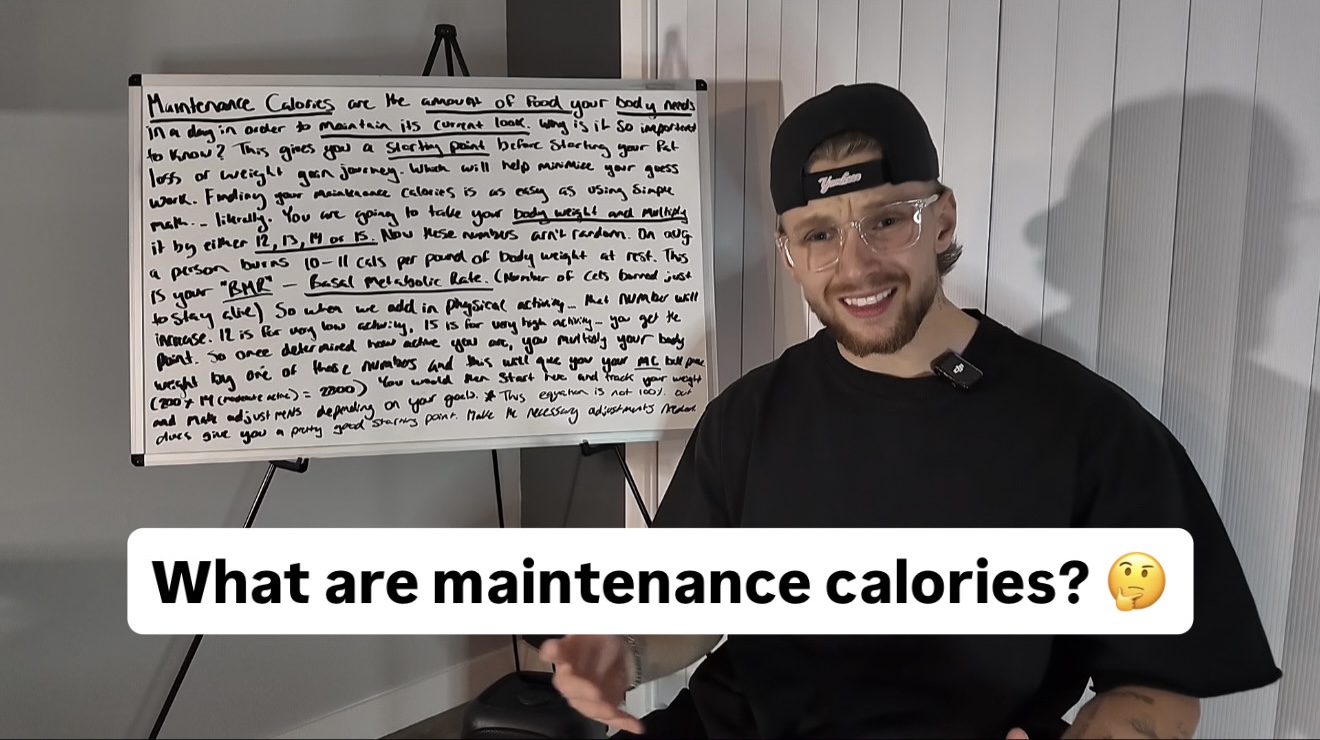
What Are Maintenance Calories?
How to Find Your Maintenance Calories Let’s be real for a second. Most guys trying to lose fat or build muscle don’t actually have a plan, they have intentions. They eat less on Monday because...
Read Article →
What Supplements Should I Be Taking?
Let’s clear something up right away. Supplements are not magic. They are not shortcuts. And they are definitely not the reason someone is in great shape while someone else is stuck spinning their...
Read Article →