You’re Unhealthily Eating Healthy
You’re Eating “Healthy” — But You’re Still Not Losing Body Fat If you’ve cleaned up your diet, started training consistently, and still can’t lose belly fat, the problem probably isn’t what you...
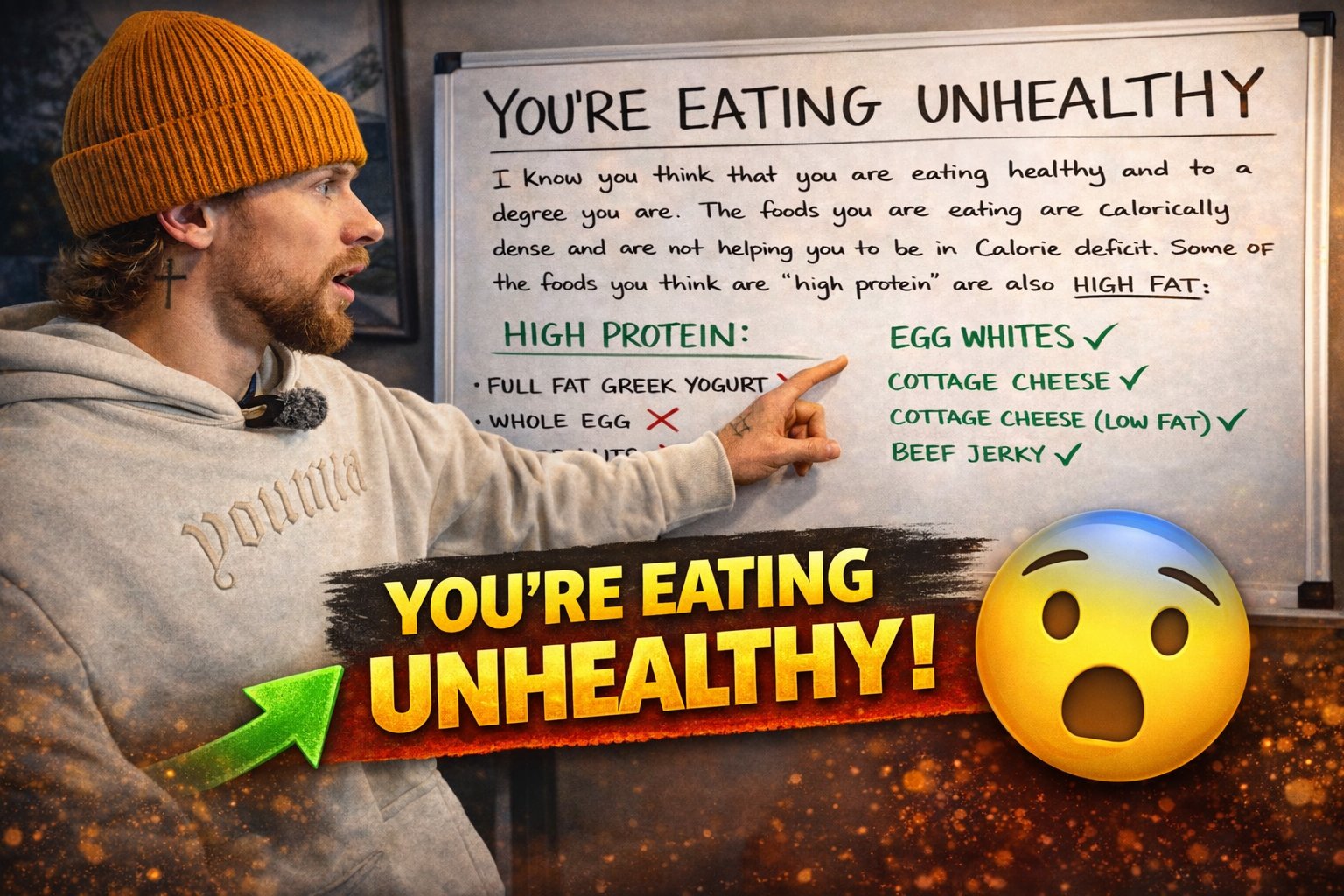
You’re Eating “Healthy” — But You’re Still Not Losing Body Fat
If you’ve cleaned up your diet, started training consistently, and still can’t lose belly fat, the problem probably isn’t what you think it is.
Most men assume that if they’re eating “healthy,” progress should follow. They remove obvious junk food. They stop hitting the drive-through. They buy organic. They choose whole grains. They look for high-protein labels.
And then months pass… and nothing changes.
The stomach looks the same.
The love handles are still there.
The abs are still hidden.
This is where frustration builds. Because from your perspective, you are doing everything right.
But here’s the hard truth: eating healthy is not the same thing as eating in a way that produces fat loss.
You can absolutely be unhealthy in healthy ways.
And that is where most people get stuck.
Food Quality vs. Energy Balance
Food quality matters. It matters for nutrient density, digestion, inflammation, performance, and long-term health. Whole foods support better energy levels, better training output, better recovery, and better hormonal function.
But body fat is regulated primarily by energy balance.
If you consistently consume more calories than your body burns, you will not lose body fat. It does not matter whether those calories came from grass-fed steak, almond butter, smoothie bowls, or protein cookies.
This is where discipline gets confused with results.
A man upgrades his food quality and assumes that should automatically lead to fat loss. But he never evaluates total intake. He never measures portions. He never tracks patterns. He just trusts that “clean eating” will take care of it.
Sometimes it does — if portions naturally decrease.
Often it doesn’t.
The Psychology of “Healthy”
There’s a psychological effect at play here that most people don’t recognize.
When food is perceived as healthy, we unconsciously give ourselves permission to eat more of it.
You don’t hesitate before grabbing extra almonds.
You don’t measure olive oil carefully.
You don’t think twice about another scoop of granola.
Because those foods feel safe.
This creates a dangerous blind spot.
You’re not overeating junk.
You’re overeating foods you believe are beneficial.
And that makes it harder to spot the problem.
How Small Surpluses Become Stalled Progress
Let’s talk numbers in a practical way.
Imagine your maintenance calories are around 2,700 per day. To lose body fat steadily, you might need to average 2,300 to 2,400 per day.
That’s not a massive difference.
Now consider how easy it is to accidentally exceed that.
An extra tablespoon of olive oil while cooking.
A slightly larger portion of rice.
A handful of nuts in the afternoon.
A protein bar before bed because you’re “still hungry.”
None of those feel extreme.
But if you add just 300 extra calories per day, that’s 2,100 extra calories per week. That’s enough to eliminate a fat-loss deficit entirely.
Fat gain rarely comes from explosive overeating.
It comes from small, repeated surpluses.
And when those surpluses are coming from healthy foods, they are even harder to identify.
Why Hunger Still Shows Up
A lot of men say, “But I’m hungry if I eat less.”
That’s valid.
But hunger isn’t always about eating too little. Sometimes it’s about food composition.
Meals built primarily around fats and calorie-dense foods can contain a lot of energy without much volume. That means your stomach isn’t physically full, even though you’ve consumed a high number of calories.
Satiety is influenced by several factors:
Protein intake
Fiber intake
Food volume
Meal timing
Sleep quality
Stress levels
If protein is inconsistent, hunger rises. If sleep is poor, hunger hormones increase. If stress is high, cravings intensify.
So now you’re not only slightly overeating healthy foods — you’re fighting hunger at the same time.
This creates the feeling that fat loss is impossible.
It’s not impossible. It’s just unstructured.
The Weekend Multiplier Effect
This is one of the biggest blind spots for busy men.
Structure during the week. Freedom on the weekend.
You hit your workouts. You bring your lunch. You control your breakfast. Then Friday comes.
Drinks with friends.
Dinner out.
Maybe dessert.
Saturday brunch.
Sunday night takeout.
Again, nothing extreme.
But here’s what happens physiologically.
Alcohol lowers inhibition and increases appetite. High-sodium meals increase water retention, which can mask progress and create discouragement. Large, hyper-palatable meals make it easier to overconsume calories quickly.
Now Monday comes. The scale is up. You feel bloated. Motivation drops. You tighten up hard during the week again.
This cycle repeats.
Fat loss requires weekly consistency, not weekday effort.
Why Training Alone Won’t Save You
You train hard. That matters.
Strength training increases lean muscle mass. Muscle tissue improves metabolic rate. Resistance training improves insulin sensitivity and nutrient partitioning.
But one intense workout might burn 300–500 calories.
That can be erased by:
A larger-than-usual breakfast.
Two extra drinks.
An untracked snack.
Exercise supports fat loss. It does not override chronic overconsumption.
This is why you can be strong and still carry excess body fat.
The Metabolism Misunderstanding
Many men blame slow metabolism.
True metabolic disorders are rare. What’s far more common is metabolic adaptation from inconsistent dieting patterns.
Crash dieting during the week.
Overeating on weekends.
Poor sleep.
High stress.
This combination increases hunger hormones like ghrelin, reduces satiety signals, and lowers spontaneous daily movement.
Your metabolism isn’t broken.
Your habits are inconsistent.
And inconsistency makes fat loss unpredictable.
What Real Structure Looks Like
Structure does not mean restriction.
It means awareness.
It means knowing roughly how many calories you need to lose body fat.
It means anchoring every meal around lean protein to protect muscle.
It means using vegetables and fiber-rich carbs to increase fullness.
It means measuring calorie-dense fats instead of guessing.
It means planning for social meals instead of reacting emotionally to them.
When these fundamentals are consistent, fat loss becomes predictable.
Not dramatic.
Predictable.
The Other Extreme: Obsession
There’s another version of being unhealthy in healthy ways.
It’s obsessing.
Tracking every gram. Avoiding all flexibility. Saying no to every social event. Demonizing carbs. Living in constant food anxiety.
That leads to burnout.
Burnout leads to rebound overeating.
Rebound overeating leads to fat gain.
Balance is not weakness.
It is sustainability.
You can include flexibility without losing control — but only if the structure exists first.
The Bottom Line
If you are not losing body fat, stop asking whether your food is healthy.
Start asking whether your habits align with your goal.
Are you consistently in a calorie deficit?
Are you prioritizing protein?
Are you measuring calorie-dense foods?
Are you consistent seven days per week?
Are you sleeping enough to regulate hunger?
You can eat organic and still gain weight.
You can drink green juice and still carry excess body fat.
You can train five days per week and still stall.
Fat loss is not about perfection.
It is about awareness, structure, and consistency applied long enough to matter.
It doesn’t get easier.
You get better.
KEEP READING
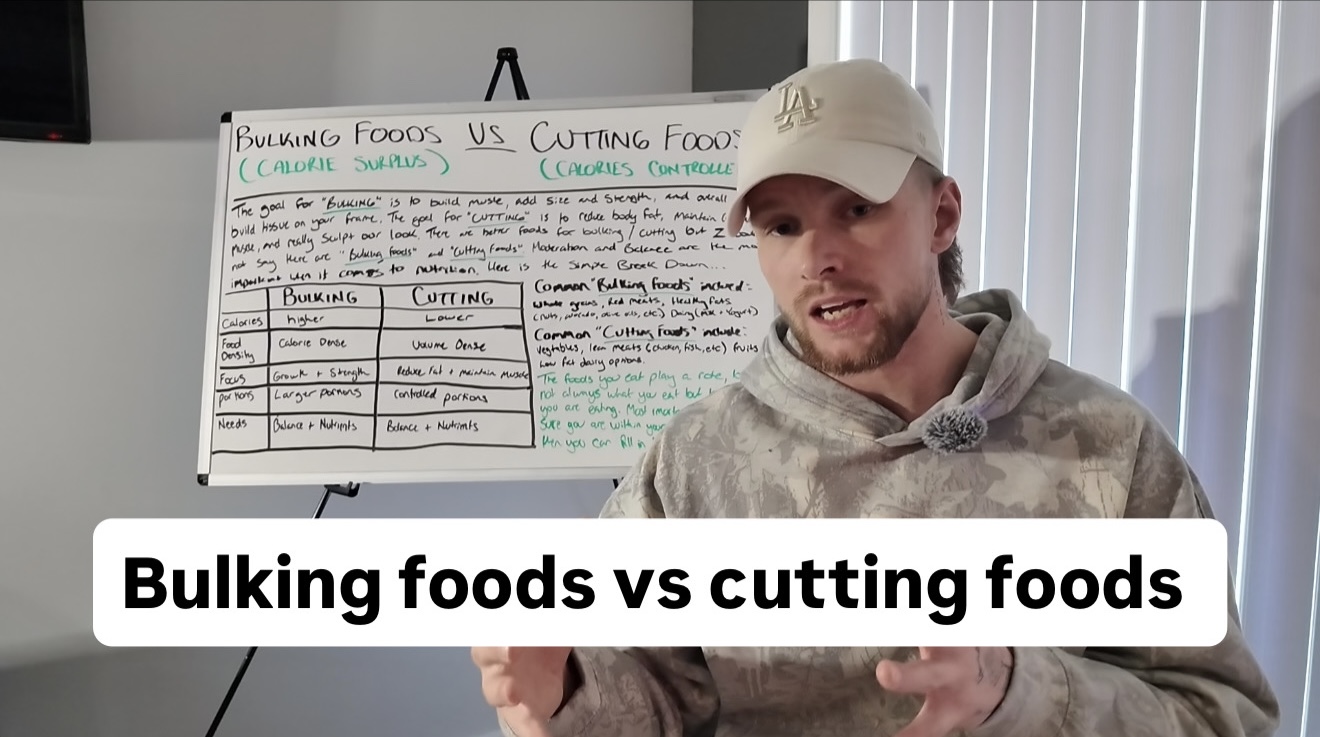
Bulking Foods Vs Cutting Foods
Bulking Foods vs Cutting Foods Why the Food Isn’t the Problem — the Amount Is One of the biggest myths in fitness is that certain foods are “bulking foods” and others are “cutting foods.” People...
Read Article →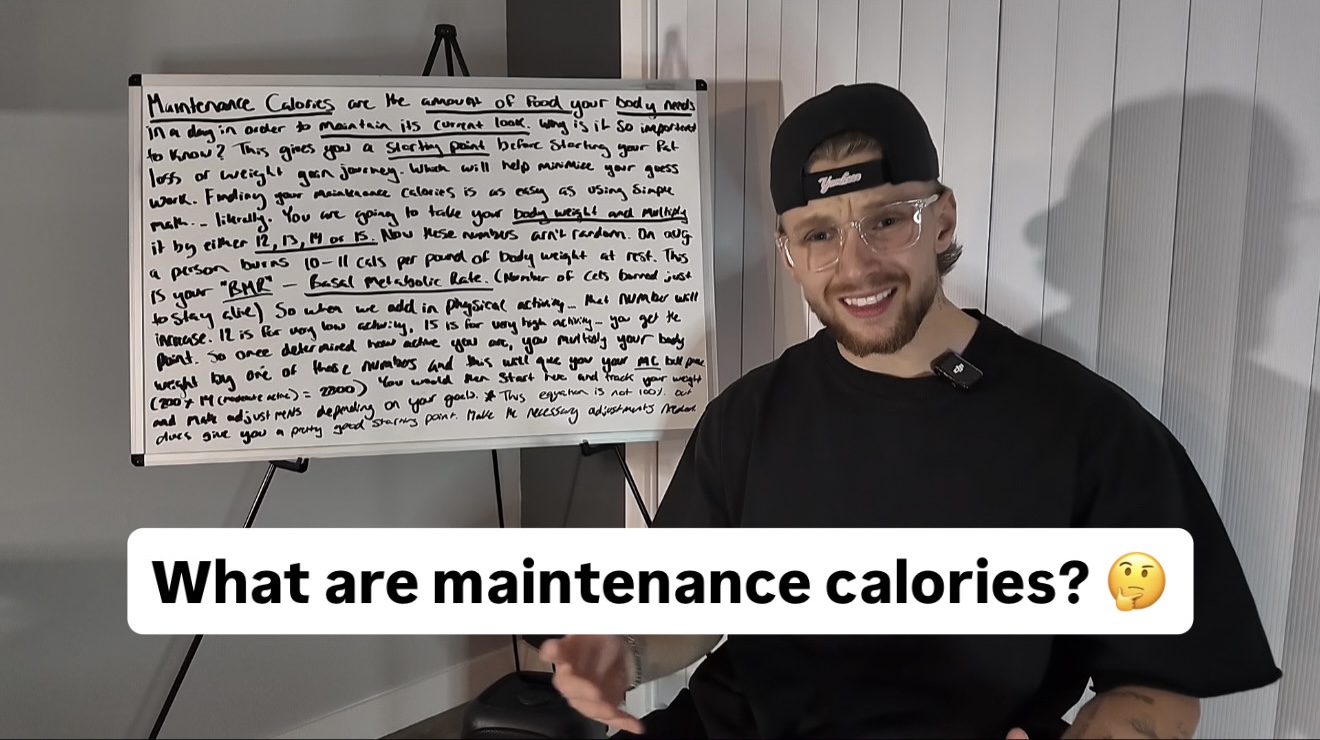
What Are Maintenance Calories?
How to Find Your Maintenance Calories Let’s be real for a second. Most guys trying to lose fat or build muscle don’t actually have a plan, they have intentions. They eat less on Monday because...
Read Article →
What Supplements Should I Be Taking?
Let’s clear something up right away. Supplements are not magic. They are not shortcuts. And they are definitely not the reason someone is in great shape while someone else is stuck spinning their...
Read Article →