What Supplements Should I Be Taking?
Let’s clear something up right away. Supplements are not magic. They are not shortcuts. And they are definitely not the reason someone is in great shape while someone else is stuck spinning their...
Let’s clear something up right away. Supplements are not magic. They are not shortcuts. And they are definitely not the reason someone is in great shape while someone else is stuck spinning their wheels.
Supplements only work when the basics are already in place. Training with intent. Eating enough food. Prioritizing protein. Sleeping more than five hours a night. Managing stress at least decently. When those things are handled, supplements can support the process. When they’re not, supplements just become expensive habits that don’t move the needle.
I’m not anti-supplement. I use them myself and recommend them to clients all the time. But I’m very intentional with which ones matter and why. This is the short list I come back to over and over because they actually help with performance, recovery, and consistency, which is what drives results long term.
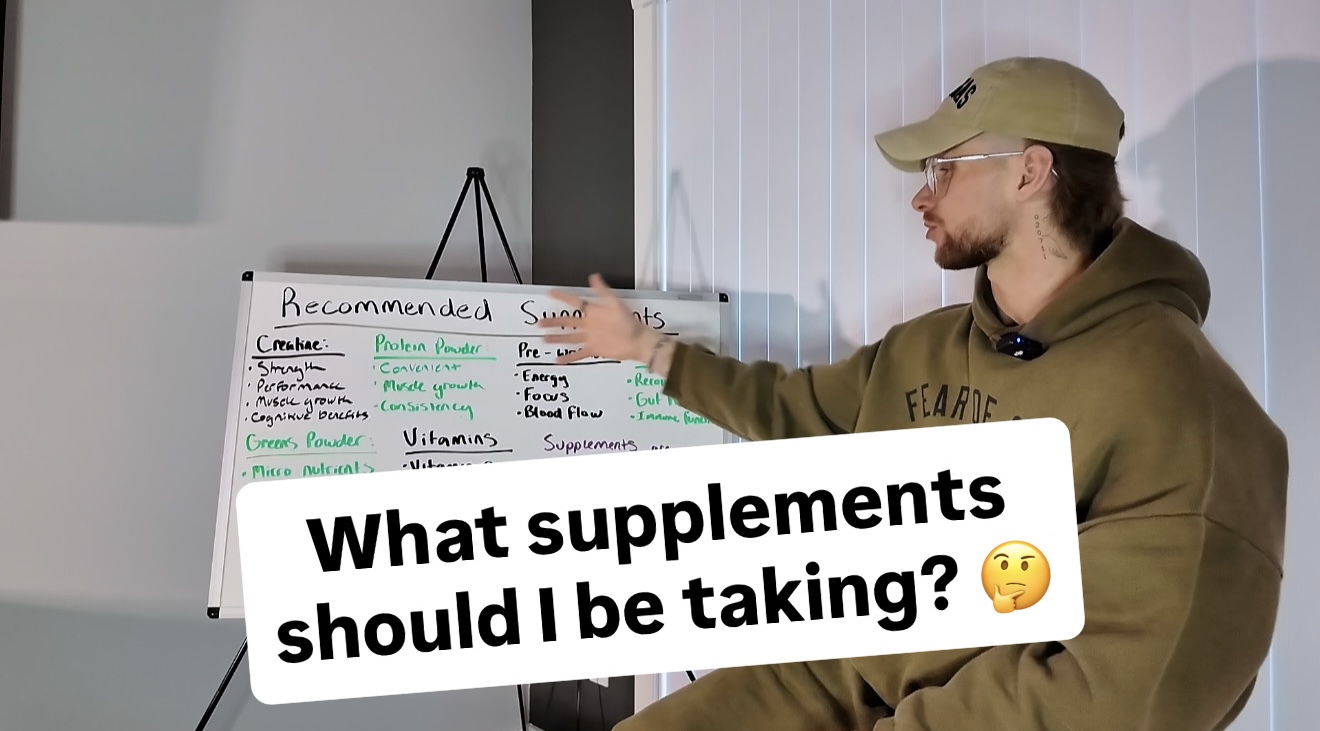
Creatine (5–15 g Daily)
If I had to pick one supplement that actually deserves the hype, it’s creatine.
Creatine works by increasing your body’s ability to produce ATP, which is the primary energy source used during short, intense efforts like lifting weights or sprinting. In simple terms, it helps you train harder. You get an extra rep. You push a little more weight. You recover slightly faster between sets.
Those small improvements add up. Better workouts lead to better progress over time. Creatine doesn’t magically build muscle, but it allows you to do higher quality work consistently, and that’s where muscle growth and strength come from.
Creatine also pulls water into the muscle cell, which supports muscle hydration and recovery. Some people notice a small increase in scale weight when they start taking it, but that’s not fat gain. That’s water stored in the muscle, which is actually a good thing for performance.
There’s also growing research showing creatine may support cognitive function and mental performance, especially during periods of fatigue or stress.
For most people, 5 grams per day is plenty. Larger individuals or people training very hard may benefit from 10 to 15 grams per day. Timing doesn’t really matter. What matters is taking it daily. Creatine works by saturating your muscles over time, not by hitting some perfect post-workout window.
If you’re lifting weights and not taking creatine, this is the first place I’d look.
Protein Powder (Convenience and Consistency)
Protein powder is not special. It’s not better than food. It’s just protein.
The reason I recommend it so often has nothing to do with muscle magic and everything to do with real life. People are busy. Long workdays, commuting, kids, stress, social plans. Hitting protein targets consistently can be harder than it sounds.
Protein supports muscle repair, recovery, and muscle retention during fat loss. It also helps control appetite. Higher protein diets tend to keep people fuller, which makes it easier to stay consistent with nutrition instead of constantly snacking or overeating later in the day.
Protein powder makes this easier. It’s fast, portable, and doesn’t require cooking. You can use it post-workout, between meals, or when you know you’re not going to get a solid protein source for a while.
Whole foods should always be the foundation. But protein powder is one of the simplest tools you can use to improve consistency, and consistency beats perfection every single time.
Pre-Workout (Energy, Focus, Blood Flow)
Pre-workout is optional, but it can be useful when used properly.
Most pre-workouts work because of caffeine and ingredients that improve blood flow. Caffeine increases alertness, energy, and focus. Blood flow ingredients help deliver oxygen and nutrients to working muscles, which can improve training performance and the overall training experience.
Better workouts lead to better long-term results. That’s the real benefit here.
Pre-workout isn’t something you need every day. If you rely on it just to function, that’s usually a sleep, nutrition, or stress issue that needs to be addressed first. But on low-energy days, early morning sessions, or hard training blocks, it can be a helpful tool.
I always tell clients to use pre-workout intentionally, not emotionally. It’s there to support training, not replace good habits.
Glutamine (Recovery and Gut Health Support)
Glutamine is an amino acid that plays a role in muscle recovery, immune function, and gut health.
When training volume is high or stress levels are elevated, glutamine levels in the body can drop. This can impact recovery, digestion, and immune health. For people who train frequently, feel rundown, or struggle with gut issues, glutamine can be a useful support supplement.
It’s not a muscle-building supplement in the traditional sense. You’re not going to take glutamine and suddenly grow more muscle. Its value is in helping your body recover and function well enough to keep training consistently.
Think of glutamine as something that supports the systems behind the scenes. Recovery, digestion, and overall resilience matter more than most people realize.
Vitamins and Essential Nutrients
Micronutrients don’t get the same attention as protein or pre-workout, but they play a huge role in how your body actually functions.
Even people with decent diets can fall short due to stress, limited food variety, lifestyle demands, or inconsistent eating patterns.
Vitamin C supports immune health and recovery
Vitamin D plays a role in hormone regulation, bone health, and immune function
Vitamin B12 supports energy production and nervous system health
Omega-3s support heart health, joint health, and inflammation management
Multivitamins help cover basic nutritional gaps
Collagen supports joints, tendons, connective tissue, and skin health
These supplements don’t directly burn fat or build muscle. What they do is support your ability to train hard, recover well, and stay healthy enough to keep showing up week after week.
That foundation matters more than people think.
Greens Powder (Daily Nutrient Insurance)
Greens powders are not a replacement for fruits and vegetables, but they can be a helpful backup.
Most people know they should eat more produce. Most people also don’t do it consistently. Busy schedules, limited prep time, and convenience foods make it harder than it sounds.
Greens powders provide vitamins, minerals, antioxidants, and plant compounds that support digestion, gut health, and overall wellness. They’re not magic, but they can help fill in gaps on days where nutrition isn’t perfect.
Better digestion and micronutrient intake support energy levels, recovery, and long-term health. Greens powders act more like insurance than a solution, and that’s exactly how they should be viewed.
Supplements Should Support the Process, Not Replace It
The goal with supplements is not to take more. It’s to take what actually helps you train better, recover better, and stay consistent.
None of these supplements work in isolation. They work when paired with proper training, enough calories, adequate protein, quality sleep, and stress management. Without those, supplements won’t save you.
Inside HupsFit, supplements are used strategically. Not as shortcuts. Not as band-aids. As tools that support real habits and real progress.
Results come from what you do daily. Supplements just help make that process a little easier to stick to.
KEEP READING
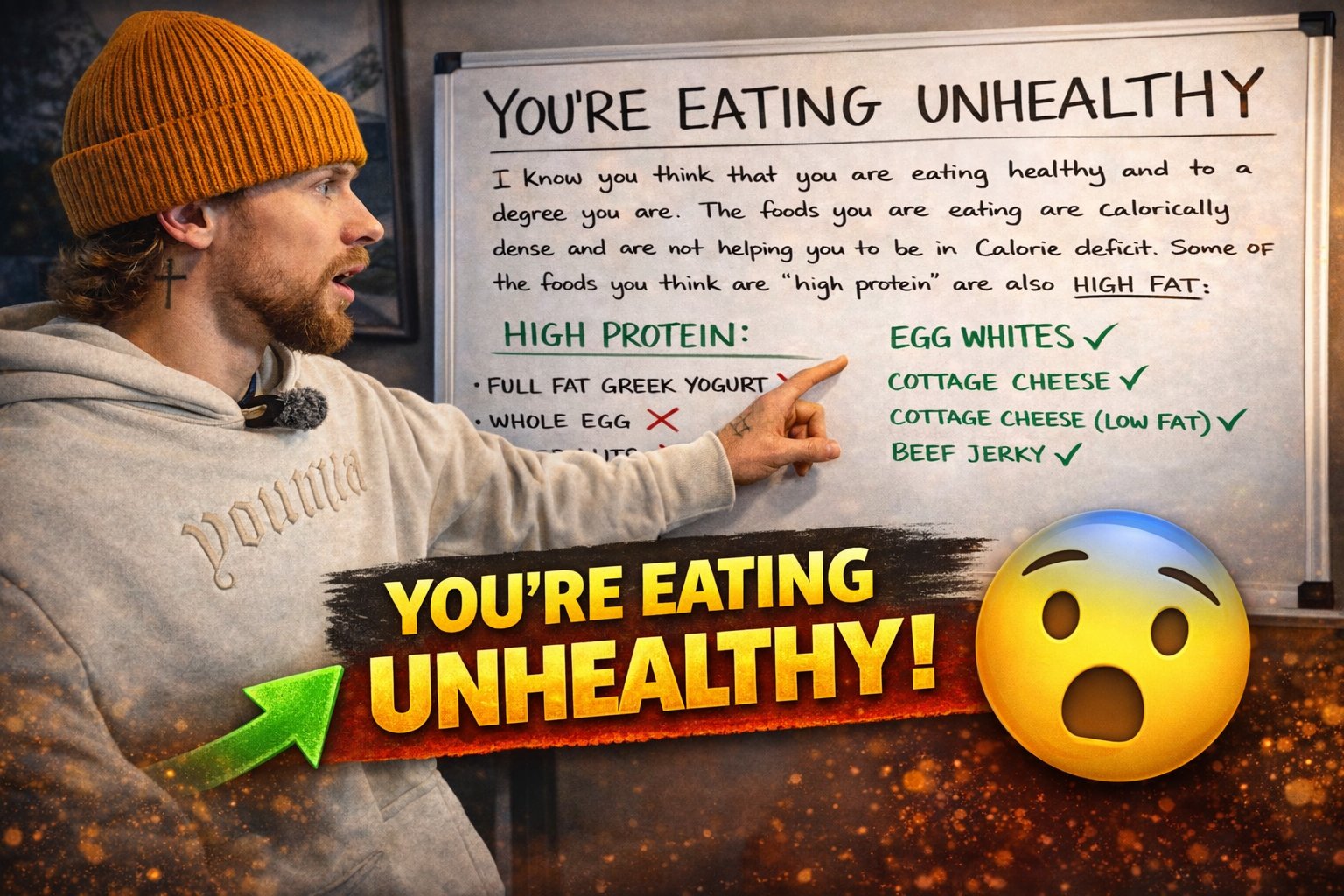
You’re Unhealthily Eating Healthy
You’re Eating “Healthy” — But You’re Still Not Losing Body Fat If you’ve cleaned up your diet, started training consistently, and still can’t lose belly fat, the problem probably isn’t what you...
Read Article →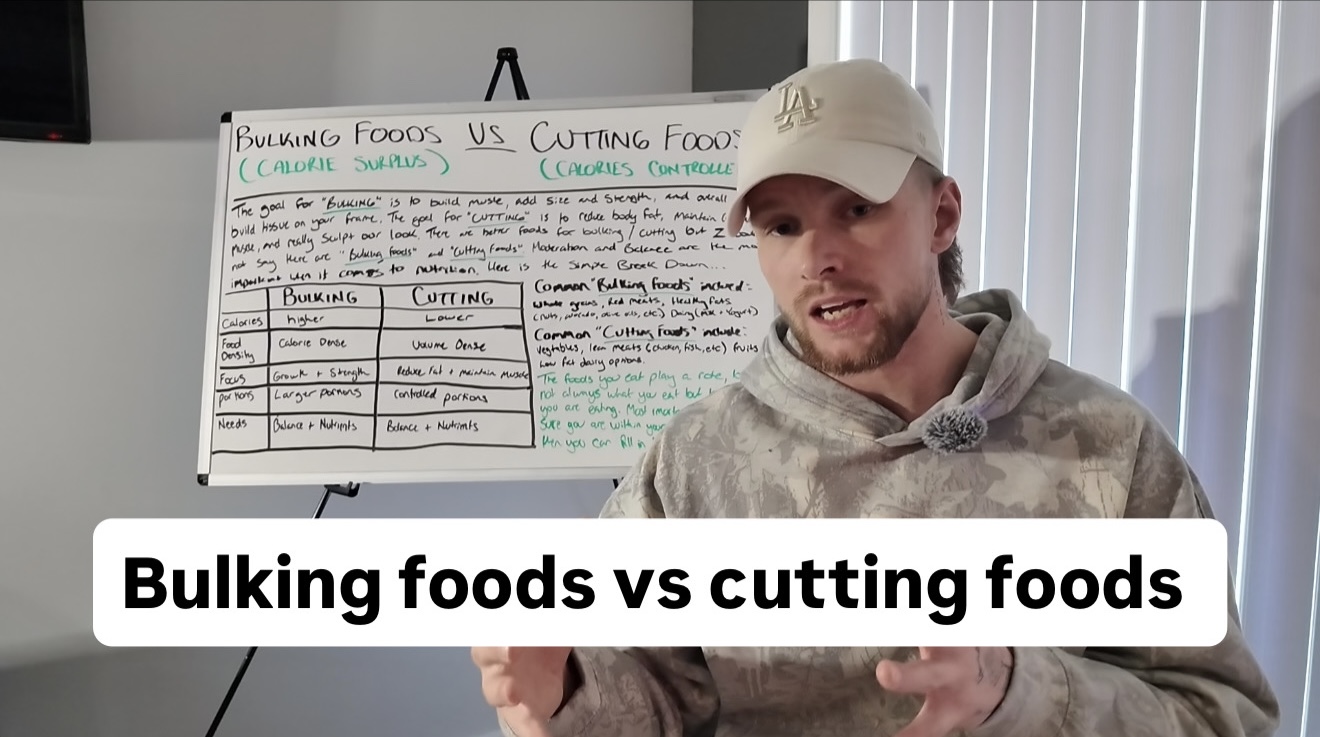
Bulking Foods Vs Cutting Foods
Bulking Foods vs Cutting Foods Why the Food Isn’t the Problem — the Amount Is One of the biggest myths in fitness is that certain foods are “bulking foods” and others are “cutting foods.” People...
Read Article →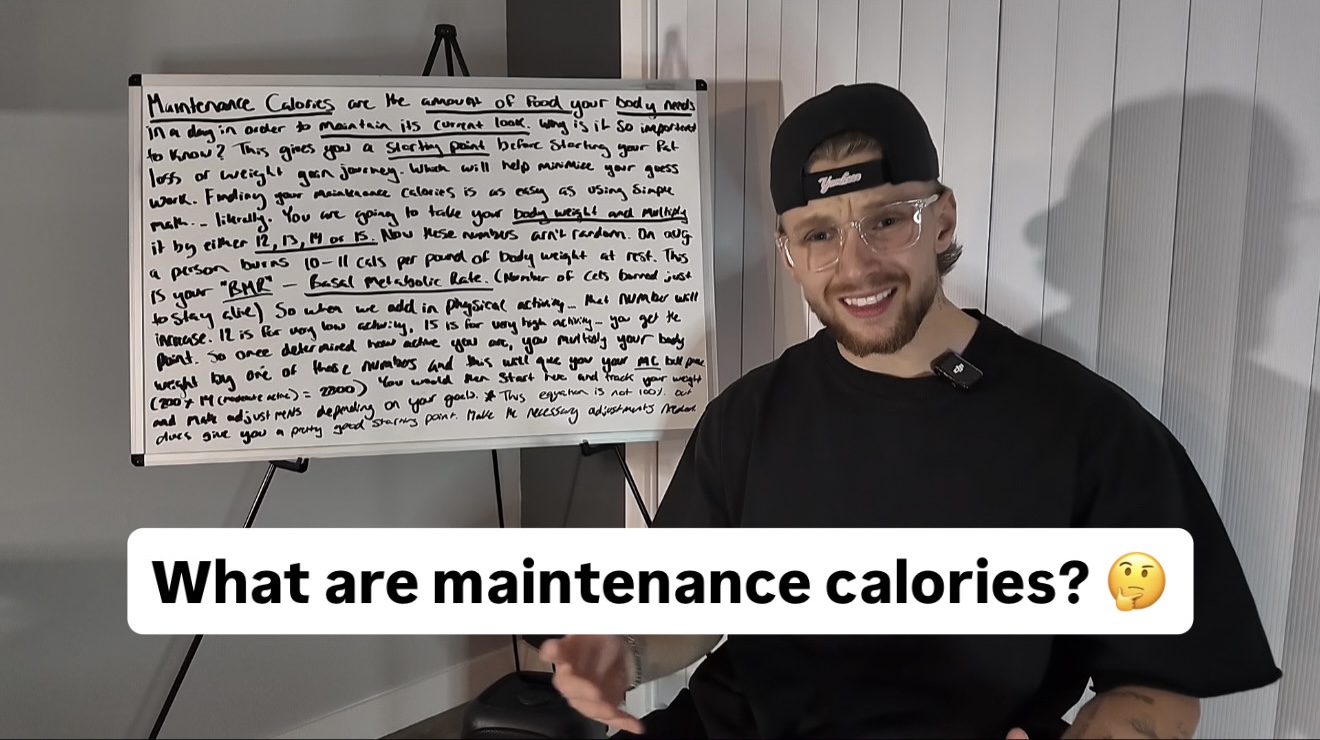
What Are Maintenance Calories?
How to Find Your Maintenance Calories Let’s be real for a second. Most guys trying to lose fat or build muscle don’t actually have a plan, they have intentions. They eat less on Monday because...
Read Article →