5 Signs Your Workout Program Is Not Working
A realistic guide to help you identify when your workouts are failing you, so you can stop wasting time and start making real progress. Shared by Tyler Hupka.

You can be doing workouts five days a week and still feel stuck. No changes in the mirror. No extra strength in the gym. No progress. It is one of the most frustrating places to be, especially when you feel like you are doing everything right.
Most beginners do not realize the problem is not them. It is the program they are following. When your workouts are not built around structure, progression, and recovery, it is easy to stay busy without making any real progress. The key is learning to spot the signs early, so you can adjust and finally start moving in the right direction.
1. You’re Not Seeing Results

You are showing up. You are putting in the effort. But the mirror, scale, and your performance all look the same. That is a red flag.
If you have been training consistently for four to six weeks with no signs of progress, no fat loss, no strength improvements, no increase in energy or confidence, then your program is not working for you. It is either not challenging your body in the right way, not aligned with your goals, or missing key pieces like recovery or nutrition.
In the early stages of training, your body responds quickly. It wants to adapt. But it only does that when you give it the right signals:
- Progressive Overload (adding weight, reps, or difficulty each week)
- Proper Rest Between Sessions
- Nutrition That Supports Your Goal (especially protein intake)
You should not need to guess if your plan is working. You should be able to feel it, and track it. No progress is not a sign to quit. It is a sign to reassess and rebuild the plan with real structure.
2. You Keep Skipping Workouts

If you keep skipping workouts or pushing them off until “later,” the issue probably is not your discipline, it is your plan. Most people are not lazy. They are just trying to follow a routine that feels forced, too long, or flat-out boring. When your program feels like a punishment, you are going to avoid it. And when that keeps happening, you start to lose momentum and blame yourself instead of questioning the program.
The most effective workout plans are built to fit your life. That means they are realistic, simple to follow, and leave you feeling better when you finish, not drained or frustrated. If you cannot stick to it, it is not the right plan.
How to Know Your Program Is Not Built for You
- You Constantly Need To “Make Time” For Your Workouts: If it never feels like it fits, it probably doesn’t.
- You Feel Anxious or Guilty About Skipping a Day: That is not motivation… It is burnout waiting to happen.
- You Have Zero Excitement Going Into a Session: A solid program gives you a reason to show up, even on the tough days.
When workouts feel aligned with your energy, schedule, and goals, showing up stops being a grind and starts becoming part of your routine.
3. You Are Not Tracking Anything

If you are not tracking what you are doing, then you have no way of knowing if your program is actually working. Progress is not just about how you look in the mirror. It is about strength increases, endurance, consistency, sleep, recovery, hunger, and habits. But if none of that is being tracked, you are stuck guessing, and when results slow down, you will not know why. This is one of the biggest reasons people think their plan is not working. The truth is, they are just not measuring anything.
You do not need spreadsheets or high-tech tools to track progress. But you do need a system. Whether it is writing down your workouts, logging your meals, or reviewing your sleep, tracking builds awareness. And that awareness is what allows you to improve.
Simple Ways to Track Your Progress:
- Use Your Notes App: to log workouts, sets, reps, and how the session felt
- Take Weekly Progress Photos: to see real changes (not just scale weight)
- Use Step Counters: to keep movement consistent outside of workouts
- Weigh In Once or Twice a Week: (if fat loss is a goal) to spot long-term trends
You do not need to do it all. Just pick a few metrics that matter for your goal and stick with them. Even 60 seconds of tracking can give you insight that keeps you on track.
Best Apps for Fitness Tracking
- Strong or FitNotes for logging strength training sessions
- MyFitnessPal or MacrosFirst for food tracking
- Whoop or Apple Health for recovery, sleep, and movement
- Habit or Streaks for building consistency in daily routines
Each of these apps makes it easier to stay on top of your habits without adding stress. When used consistently, they give you clear feedback and help you see the connection between your daily actions and your results.
4. You Are Not Challenging Your Body Enough to Change

If your workouts feel the same every week, same weights, same reps, same effort, then your body has no reason to adapt. You might still be sweating, you might still be tired after, but tired does not mean effective. Real progress comes from gradually pushing your limits. That is what signals your body to grow stronger, leaner, and more capable over time.
This is where progressive overload comes in. It is not about constantly switching exercises or chasing variety just to stay entertained during your workout. It is about doing more with what you are already doing. That can mean lifting heavier weights, doing more reps, controlling your tempo better, or even reducing your rest between sets. Small, trackable improvements that force your body to respond.
You do not need to reinvent your workouts every week. In fact, too much variety too soon can stall progress. The goal is to stick to the basics, and build on them with intention.
Here is what that looks like in practice:
- Week 1: 3 sets of 10 squats at 95 lbs
- Week 2: 3 sets of 12 squats at 95 lbs
- Week 3: 3 sets of 10 squats at 105 lbs
That progression might look simple, but it is the foundation of strength and muscle growth. Without it, your body stays exactly where it is.
If you have not added weight, reps, or intensity in weeks, that is the clearest sign your plan is broken, not your body.
5. You Are Always Feeling Burnt Out or Run Down

Training hard is not the problem. Training hard with no plan for recovery is.
If your body constantly feels sore, your energy crashes mid-day, and you are dragging yourself through every session, your workout plan might be pushing too much without giving back. Burnout is not something to be proud of, it is a sign your system is breaking down.
When Recovery Fails, Progress Slows
Smart training includes both effort and recovery. You need intensity but also structure: rest days, quality sleep, enough calories, hydration, and daily movement that supports your body instead of just beating it up.
When recovery is ignored, your results stall. Burnout shows up in more ways than just feeling tired.
It can look like:
- Poor Sleep or Waking Up Feeling Unrested
- Losing Motivation to Train
- Constant Soreness That Never Fully Fades
- Getting Sick More Often
- Working Hard With Little or No Visible Progress
Training Should Build You, Not Break You
The goal is not to leave every session feeling exhausted. That might feel productive short term, but it is not sustainable. Effective training should challenge you, not drain your energy. You should leave feeling accomplished, not wrecked.
Training to failure can be useful when it is part of a structured plan. But if you are pushing to the limit every day without factoring in rest, nutrition, or sleep, you are setting yourself up for burnout, not progress.
Your workouts should support your strength, focus, and recovery. When you find the balance between effort and sustainability, you will not just train harder but you will train smarter. That is when results show up and actually last.
Stop Guessing. Start Training With a Plan
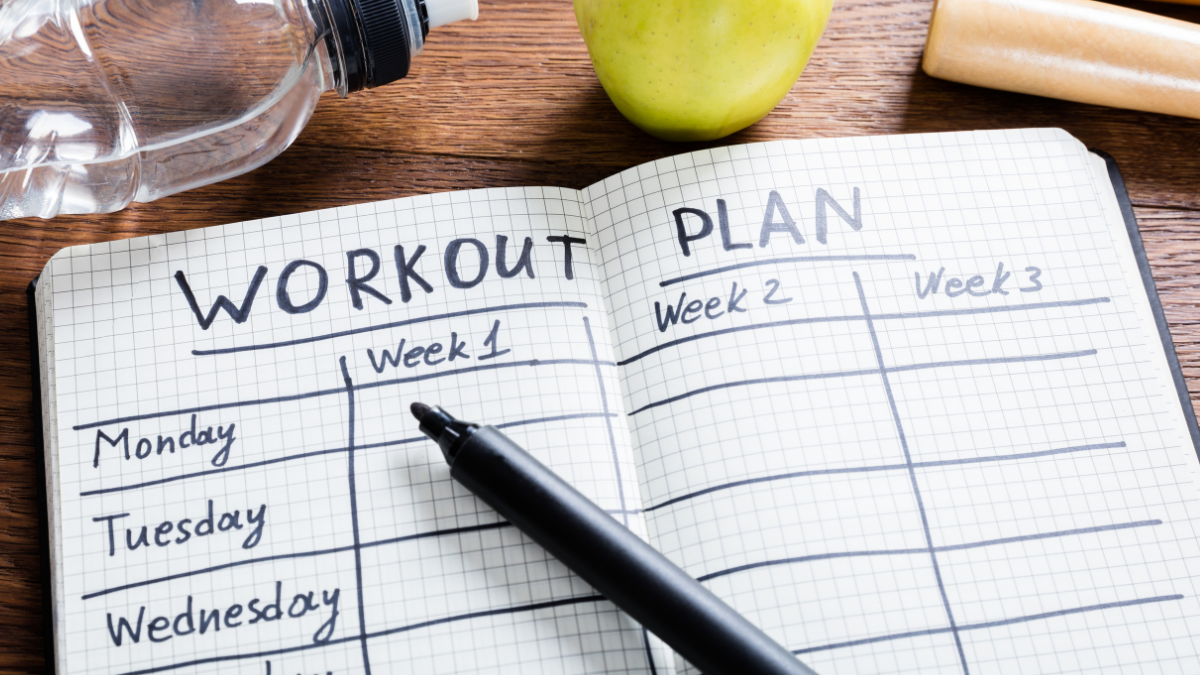
If you are not seeing results, feeling motivated, or even looking forward to your workouts anymore, it is not your fault, it is your program.
The right plan makes everything easier. You do not have to force motivation when your training fits your life, challenges you in the right ways, and leaves you feeling better and not worse after each session.
This is exactly the kind of coaching that we provide. There is no guessing. No copy-paste programs. Just real structure that helps you train with purpose, stay consistent, and finally feel like things are clicking again.
If you are ready to start making real progress, we are here to help you build the routine that gets you there.
KEEP READING
WHAT IS HIGH TRAINING INTENSITY?
Most guys who struggle to lose fat, build muscle, or see any real change in their body are not failing because of a bad diet. They are not failing because they chose the wrong program. They are...
Read Article →
Best Routine To Lose Fat
The Best Routine to Lose Fat: Fat loss is one of the most misunderstood goals in fitness. Many people believe it requires extreme dieting, excessive cardio, or complex training systems. In...
Read Article →
What Is The Best Way To Workout
The Best Way to Work Out Isn’t Just About the Workout When most people ask, “What’s the best way to work out?” they’re usually asking for a routine. A split. A set and rep scheme. A magic formula...
Read Article →