Best Routine To Lose Fat
The Best Routine to Lose Fat: Fat loss is one of the most misunderstood goals in fitness. Many people believe it requires extreme dieting, excessive cardio, or complex training systems. In...
The Best Routine to Lose Fat:
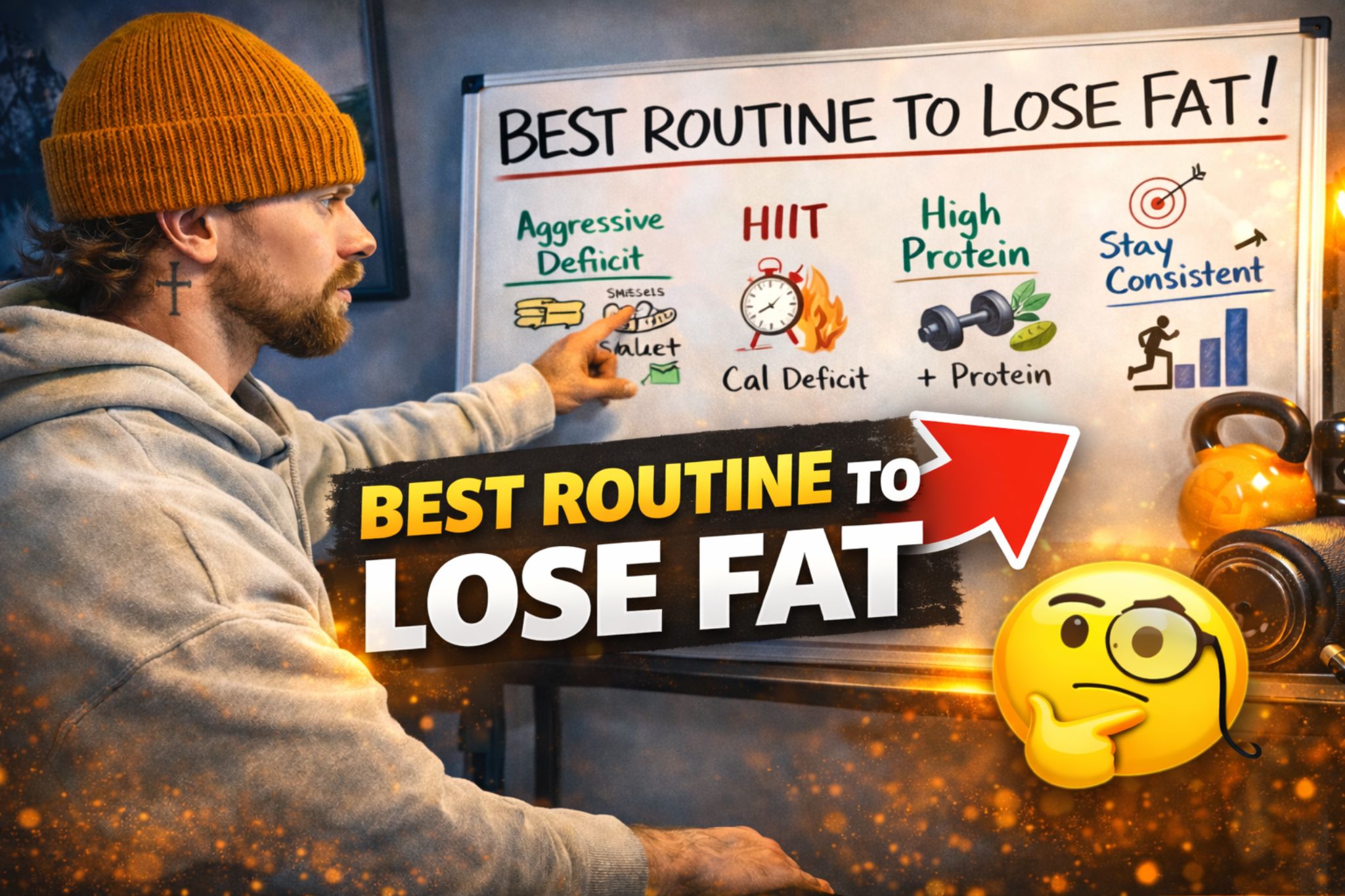
Fat loss is one of the most misunderstood goals in fitness. Many people believe it requires extreme dieting, excessive cardio, or complex training systems. In reality, successful and sustainable fat loss follows a small number of fundamental principles that, when applied consistently, produce predictable results.
This article breaks down the best routine to lose fat by focusing on the areas that matter most: energy balance, training, nutrition, and consistency. Rather than chasing shortcuts, this approach emphasizes methods that are evidence-based, realistic, and repeatable over time.
Understanding Fat Loss at Its Core
Fat loss occurs when the body is required to use stored energy to meet its daily demands. This happens only when energy expenditure exceeds energy intake over time. While many factors influence how efficiently the body burns fat, this principle remains non-negotiable.
Any routine claiming to bypass this reality is misleading. The most effective fat-loss strategies work because they align with this biological requirement, not because they defy it.
Calorie Deficit: The Foundation of Fat Loss
A calorie deficit is the primary driver of fat loss. Without it, no amount of training, supplements, or “fat-burning” workouts will lead to meaningful results.
The key is not creating the largest deficit possible, but one that is sustainable. An overly aggressive deficit often leads to muscle loss, hormonal disruption, low energy, and eventual rebound weight gain.
A moderate deficit allows the body to:
- Use stored fat as fuel
- Preserve lean muscle mass
- Maintain performance and recovery
- Support long-term adherence
Fat loss is not a sprint. The goal is to create a deficit that can be maintained for weeks or months without sacrificing health or consistency.
High-Intensity Interval Training and Energy Expenditure
High-Intensity Interval Training (HIIT) is frequently included in effective fat-loss routines due to its efficiency and metabolic demand. HIIT involves alternating short bursts of high effort with periods of recovery.
The benefit of HIIT is not that it “burns fat faster,” but that it:
- Burns a high number of calories in a short time
- Improves cardiovascular fitness
- Allows fat loss without excessive training volume
- Fits into busy schedules
When used appropriately, HIIT can complement resistance training and daily movement without replacing them. It should be challenging but not excessive, as recovery remains essential for progress.
Strength Training: Preserving Muscle While Losing Fat
One of the most common mistakes in fat loss is relying solely on cardio. While cardio increases calorie expenditure, it does little to protect lean muscle mass.
Strength training plays a critical role in a successful fat-loss routine by:
- Preserving muscle tissue during a calorie deficit
- Improving body composition
- Maintaining metabolic rate
- Enhancing physical performance
The objective during fat loss is not just to weigh less, but to look and function better. Resistance training ensures that weight loss comes primarily from fat rather than muscle.
Progressive overload, proper exercise selection, and adequate recovery are all essential components of this process.
Protein Intake and Its Role in Fat Loss
Protein intake is a cornerstone of effective fat loss. It supports muscle retention, increases satiety, and has a higher thermic effect than carbohydrates or fats.
Adequate protein intake helps:
- Reduce hunger during a calorie deficit
- Support recovery from training
- Maintain lean mass
- Improve overall diet adherence
Consistent protein intake across meals is more important than timing or supplementation. Whole-food sources should form the foundation, with supplements used only as a convenience when necessary.
Consistency Over Intensity
The most overlooked factor in fat loss is consistency. Many individuals approach fat loss with extreme motivation, only to abandon their routine when progress slows or life becomes busy.
Sustainable fat loss is built on:
- Repeating basic habits daily
- Training regularly, even when motivation is low
- Making nutrition predictable rather than perfect
- Accepting gradual progress
Consistency allows small efforts to compound over time. Intensity without consistency leads to burnout. Consistency without extremes leads to results.
Tracking Progress Effectively
Fat loss progress should be assessed over time, not day to day. Body weight fluctuates due to hydration, sodium intake, stress, and sleep. Relying on daily scale readings often leads to unnecessary frustration.
More reliable indicators include:
- Weekly average weight trends
- Changes in measurements
- Progress photos
- Improvements in strength and endurance
- How clothing fits
Tracking should be used as feedback, not judgment. The purpose is to adjust the process, not to create pressure.
Lifestyle Factors That Support Fat Loss
Training and nutrition do not exist in isolation. Sleep, stress management, and daily routines significantly influence fat loss outcomes.
Chronic sleep deprivation and high stress levels can:
- Increase hunger and cravings
- Impair recovery
- Reduce training performance
- Disrupt hormonal balance
A sustainable routine accounts for real life. This includes social events, work demands, and periods of lower motivation. The best routine is one that fits into a person’s lifestyle rather than competing with it.
Putting It All Together
The best routine to lose fat is not complicated, but it requires discipline and patience. When stripped of unnecessary complexity, effective fat loss comes down to the following principles:
- Maintain a consistent calorie deficit
- Prioritize resistance training
- Use cardio and HIIT strategically
- Consume sufficient protein
- Track progress objectively
- Build habits that can be sustained long term
Fat loss does not require perfection. It requires alignment with fundamental principles and the willingness to apply them consistently over time.
KEEP READING

WHAT IS HIGH TRAINING INTENSITY?
Most guys who struggle to lose fat, build muscle, or see any real change in their body are not failing because of a bad diet. They are not failing because they chose the wrong program. They are...
Read Article →
What Is The Best Way To Workout
The Best Way to Work Out Isn’t Just About the Workout When most people ask, “What’s the best way to work out?” they’re usually asking for a routine. A split. A set and rep scheme. A magic formula...
Read Article →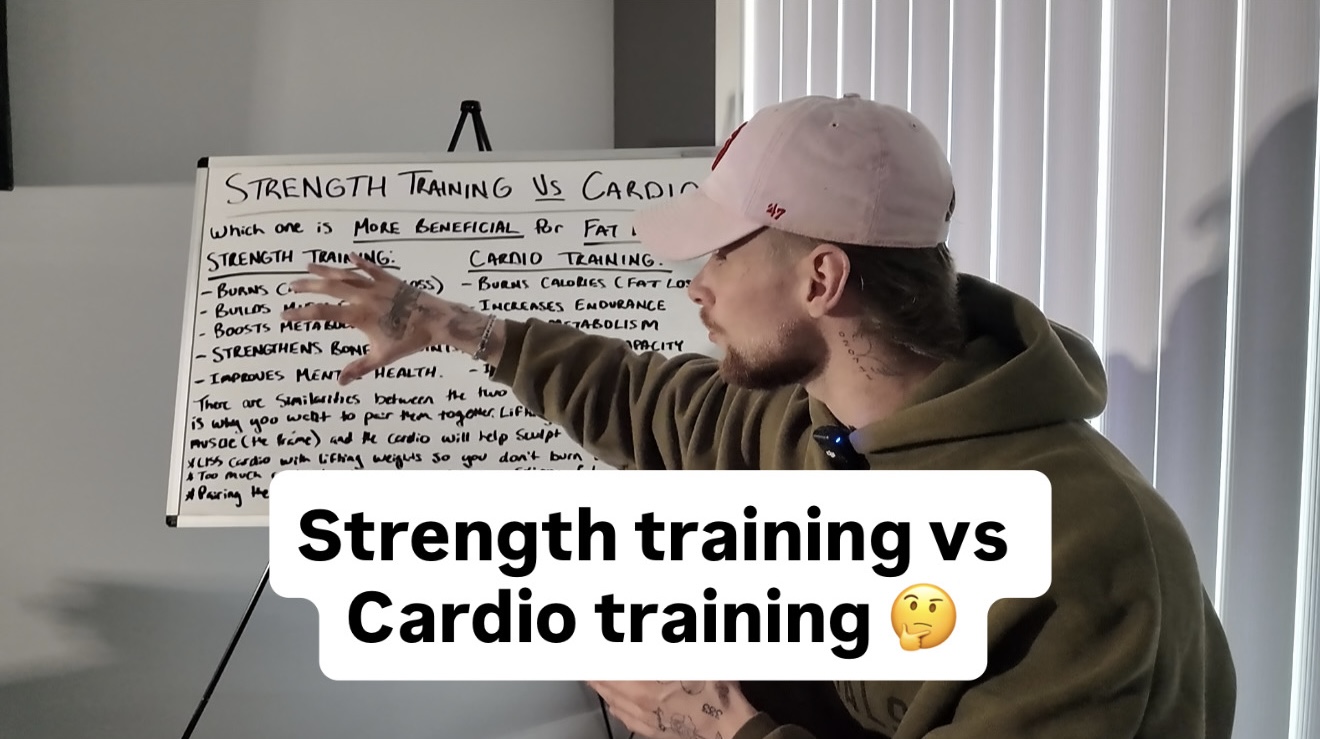
Strength Training vs Cardio Training: The Truth About Fat Loss (And Why You Need Both)
If you’ve ever typed “best workout for fat loss” into Google, you’ve probably seen the same debate a thousand different ways. Some people swear cardio is king because it burns more calories....
Read Article →