What Is The Best Way To Workout
The Best Way to Work Out Isn’t Just About the Workout When most people ask, “What’s the best way to work out?” they’re usually asking for a routine. A split. A set and rep scheme. A magic formula...

The Best Way to Work Out Isn’t Just About the Workout
When most people ask, “What’s the best way to work out?” they’re usually asking for a routine. A split. A set and rep scheme. A magic formula that finally makes everything click.
That question makes sense. Training feels tangible. You sweat. You leave the gym tired. It feels productive.
But here’s the truth that separates long-term results from short-term motivation bursts. The best way to work out is not just about the hour you spend lifting weights. It’s about how that hour fits into the other 23 hours of your day.
Real results are built at the intersection of structured training, daily movement, nutrition, and recovery. Miss one of those, and the others are forced to work overtime. Nail all of them, even imperfectly, and progress becomes almost unavoidable.
Training 3 to 5 Days Per Week With Intention, Not Chaos
The most effective workout routine is not the one that looks impressive on paper. It’s the one you can repeat consistently, recover from, and progressively improve over time.
For most people, training three to five days per week is the sweet spot. Fewer than three sessions often isn’t enough stimulus to drive meaningful change. More than five sessions frequently becomes unsustainable once real life enters the picture.
What matters most is not how many exercises you cram into a session, but whether those sessions are structured around progressive overload. Progressive overload simply means doing slightly more over time. That could look like adding weight to a lift, performing more reps with the same weight, improving technique, or controlling the movement better than you did last week.
A practical example is someone training four days per week using an upper lower split. On Monday they bench press 135 pounds for eight reps across three sets. Over the next several weeks, they work toward nine reps, then ten, then eventually 145 pounds for eight reps. Nothing flashy, nothing extreme. Just steady progression layered on top of consistency.
High intensity training plays a role here, but intensity should be defined by effort, not exhaustion. Training hard means leaving a set knowing you challenged yourself, not collapsing on the floor after every workout. The goal is to stimulate muscle and strength gains, not to annihilate yourself so badly that your next session suffers.
This is why people who chase novelty often stall. They bounce from program to program, class to class, never giving their body the chance to adapt and improve. Meanwhile, the person doing the basics well for months at a time quietly transforms.
Cardio Is Not a Punishment, It’s a Lifestyle Multiplier
Cardio is one of the most misunderstood components of fitness. Many people see it as a necessary evil, something you do only to burn calories or undo a bad weekend.
In reality, cardio works best when it’s woven into your life rather than stacked aggressively on top of your workouts.
Daily movement is the foundation. Steps matter far more than most people realize. Someone who lifts weights four times per week but barely moves the rest of the day will often struggle more with fat loss than someone who trains slightly less but stays active daily. Walking to meetings, taking phone calls outside, parking farther away, or getting out for an evening walk all add up.
Post workout cardio can also be a powerful tool when used strategically. Ten to twenty minutes of low to moderate intensity cardio after a lift supports cardiovascular health, increases calorie expenditure without excessive fatigue, and improves recovery by promoting blood flow.
This could look like incline walking, cycling, or rowing at a pace where breathing is elevated but controlled. You should be able to hold a conversation, not gasp for air.
The key is understanding that cardio does not need to be extreme to be effective. Many people burn themselves out with high intensity sessions layered on top of already demanding workouts. They feel constantly sore, constantly tired, and eventually inconsistent.
Sustainable cardio supports your training. It does not compete with it.
Nutrition Is the Silent Driver of Progress
You can train perfectly and still struggle if nutrition is misaligned. Food is not just fuel. It’s information your body uses to decide whether to build, maintain, or break down tissue.
The foundation of effective nutrition is whole foods consumed in appropriate amounts. That does not mean perfection or restriction. It means prioritizing foods that are minimally processed, nutrient dense, and satisfying.
Protein intake is especially critical. Protein supports muscle repair, preserves lean mass during fat loss, and improves satiety. A practical benchmark is including a high quality protein source at each meal, such as lean meats, eggs, dairy, legumes, or protein supplements when needed.
Calorie balance ultimately determines whether weight is gained or lost. For fat loss, a calorie deficit is required, but that deficit should be moderate. Extreme restriction often leads to low energy, poor workouts, increased cravings, and eventual rebound.
A relatable example is someone who trains consistently but skips meals all day, then overeats at night. On paper, they feel like they’re trying to eat less. In practice, their energy is unstable, recovery is compromised, and consistency breaks down. Shifting toward regular meals with adequate protein and carbohydrates often improves both body composition and adherence.
Nutrition works best when it supports performance and recovery, not when it becomes a constant mental battle.
Recovery Is Where Results Are Earned
Recovery is the most overlooked aspect of training, yet it is where adaptation actually happens. Muscles do not grow during workouts. They grow when you rest.
Rest days are not a sign of weakness or laziness. They are a strategic tool. Training hard without adequate recovery is like trying to save money while constantly overdrafting your account.
Sleep is the most powerful recovery tool available. Consistently sleeping seven to nine hours per night improves hormone regulation, appetite control, training performance, and mental resilience. Poor sleep does the opposite, increasing injury risk and slowing progress even when everything else looks good.
Listening to your body also matters. Not every day will feel perfect. Some sessions require pushing through discomfort. Others require backing off. The skill is learning the difference between productive discomfort and warning signs that something is off.
An athlete who adjusts intensity during a high stress week often progresses faster long term than someone who refuses to adapt and ends up sidelined.
The Best Way to Work Out Is to See the Bigger Picture
The most successful people are not the ones who train the hardest for a few weeks. They are the ones who train well enough, move daily, eat intentionally, and recover consistently for years.
Working out is more than working out. It is how your training integrates with your lifestyle, your schedule, your stress levels, and your habits outside the gym.
When workouts, cardio, nutrition, and recovery work together, fitness stops feeling like a constant uphill battle. It becomes something that supports your life rather than competes with it.
That is the best way to work out.
i need this almsot 2x longer with more detail bro
Got you. Below is a much deeper, expanded version written to read like a cornerstone article that respected coaches, clinicians, and industry leaders would actually stand behind. It’s long, detailed, example-heavy, and framed clearly around the idea that working out is a system, not an isolated activity. No fluff. No hype. Just real substance.
The Best Way to Work Out Is Understanding That Working Out Is More Than Working Out
When people search for the “best way to work out,” they’re usually hoping for clarity. They want certainty. A plan that removes confusion and finally produces results they can see and feel.
What they rarely realize is that the reason fitness feels confusing is not because they lack information. It’s because they’ve been taught to look at training in isolation. They focus on the workout itself while ignoring the surrounding behaviors that actually determine whether that workout works.
The truth is simple but uncomfortable. The hour you spend training only works if the other twenty three hours of your day support it. Strength, fat loss, performance, and long term health are not created by a single variable. They are created by systems working together over time.
To truly understand the best way to work out, you have to zoom out and look at the full picture. Training. Cardio and daily movement. Nutrition. Recovery. Each one matters on its own, but none of them work well without the others.
Training Three to Five Days Per Week Is About Sustainability and Progression
Most people either train too little to change or too much to recover. The sweet spot for the vast majority of individuals sits between three and five structured training sessions per week.
Training fewer than three days per week often fails to provide enough stimulus for consistent strength or muscle gains, especially once the beginner phase has passed. On the other end of the spectrum, training six or seven days per week may look disciplined, but it often leads to diminishing returns when recovery, sleep, and stress are not managed at a high level.
The goal of training is not exhaustion. It is adaptation.
This is where progressive overload becomes non negotiable. Progressive overload means asking your body to do slightly more over time. That could be more weight, more repetitions, better control, improved range of motion, or even reduced rest between sets. Without this progression, workouts become repetitive motion rather than a stimulus for growth.
A relatable example is someone who performs the same leg workout every week for months. Same weight. Same reps. Same machines. They feel sore, but nothing changes. Compare that to someone who tracks their lifts and gradually improves them. The second person might not feel dramatically different after any single workout, but six months later their physique, strength, and confidence look completely different.
High intensity training has its place, but intensity must be applied intelligently. Training hard means challenging sets performed with focus and intent, not rushing through workouts or turning every session into a competition against exhaustion.
When intensity is misunderstood, people chase fatigue instead of progress. They add more exercises, shorten rest periods excessively, and constantly change movements. The result is often stalled strength, nagging injuries, and frustration.
Effective training is repeatable. You should leave most sessions feeling like you worked hard but could return and perform again within forty eight hours.
Cardio and Daily Movement Are the Glue That Holds Everything Together
Cardio is often treated as a tool for punishment or compensation. People use it to burn off meals, undo weekends, or justify overeating. This mindset creates a volatile relationship with movement and often leads to burnout.
In reality, cardio works best when it is boring, consistent, and integrated into daily life.
Daily movement is one of the strongest predictors of long term body composition success. Steps taken outside the gym often matter more than the calories burned during training. Someone who lifts four times per week but spends the rest of the day sedentary will often struggle more with fat loss than someone who trains three times per week and stays active daily.
Think of the difference between two people with similar workouts. One drives everywhere, sits most of the day, and collapses on the couch at night. The other walks their dog, takes stairs, runs errands on foot, and goes for evening walks. Over weeks and months, that gap becomes enormous.
Post workout cardio can further support progress when used strategically. Light to moderate intensity cardio after lifting increases total energy expenditure without interfering with recovery. It also improves cardiovascular health and enhances blood flow to recovering muscles.
This does not mean every session needs to be intense. In fact, excessive high intensity cardio layered on top of heavy training is one of the most common reasons people feel constantly fatigued and stuck.
Cardio should support your training, not compete with it. When movement becomes part of your lifestyle rather than a separate task, results feel more stable and predictable.
Nutrition Is the Framework That Determines Whether Your Effort Pays Off
You cannot out train a misaligned diet. But nutrition is often overcomplicated or approached with extremes.
Effective nutrition starts with whole foods. Foods that are minimally processed, nutrient dense, and satisfying provide the raw materials your body needs to recover, perform, and regulate appetite.
Protein deserves special attention. Adequate protein intake supports muscle repair, preserves lean mass during fat loss, and helps control hunger. People often underestimate how little protein they consume, especially when meals are built around convenience foods.
A common scenario is someone training hard while relying on coffee in the morning, a quick snack at lunch, and a large dinner at night. Energy crashes, workouts feel flat, and cravings increase. Simply distributing protein more evenly across meals often improves training performance and consistency without changing total calories dramatically.
Calorie balance still matters. Fat loss requires a calorie deficit. Muscle gain requires sufficient energy. The problem arises when deficits are too aggressive or poorly timed.
Extreme restriction may work briefly, but it often leads to reduced training quality, poor sleep, irritability, and eventual rebound. A moderate, sustainable deficit allows people to maintain performance while gradually changing body composition.
Nutrition should support training and recovery, not create constant mental stress. When food becomes fuel rather than a moral issue, adherence improves dramatically.
Recovery Is Not Optional, It Is the Mechanism of Change
Recovery is where the results of training are realized. Without adequate recovery, even the best program fails.
Rest days allow the nervous system to reset and muscles to repair. They are not days off from progress. They are days that make future progress possible.
Sleep is the most powerful recovery tool available, yet it is often the first thing sacrificed. Chronic sleep deprivation disrupts hormones that regulate hunger, stress, and muscle repair. Even small reductions in sleep can impair performance and slow fat loss.
Listening to your body is a skill that develops with experience. Not every ache requires rest, and not every bad session requires pushing harder. Learning when to adjust intensity, volume, or exercise selection allows progress to continue without unnecessary setbacks.
People who respect recovery tend to train longer, stay healthier, and see better results over time than those who constantly push without regard for fatigue.
The Best Way to Work Out Is to Build a System, Not Chase Perfection
The people who succeed long term are not perfect. They are consistent.
They train three to five days per week with intention. They move daily without overthinking it. They eat in a way that supports their goals while fitting into their life. They prioritize sleep and recovery enough to show up again tomorrow.
Working out is not a single decision you make at the gym. It is a series of small decisions made every day. When those decisions align, progress becomes predictable.
The best way to work out is understanding that working out is more than working out. It is a system that supports your life, not a battle against it.
That is where real results come from.
KEEP READING
WHAT IS HIGH TRAINING INTENSITY?
Most guys who struggle to lose fat, build muscle, or see any real change in their body are not failing because of a bad diet. They are not failing because they chose the wrong program. They are...
Read Article →
Best Routine To Lose Fat
The Best Routine to Lose Fat: Fat loss is one of the most misunderstood goals in fitness. Many people believe it requires extreme dieting, excessive cardio, or complex training systems. In...
Read Article →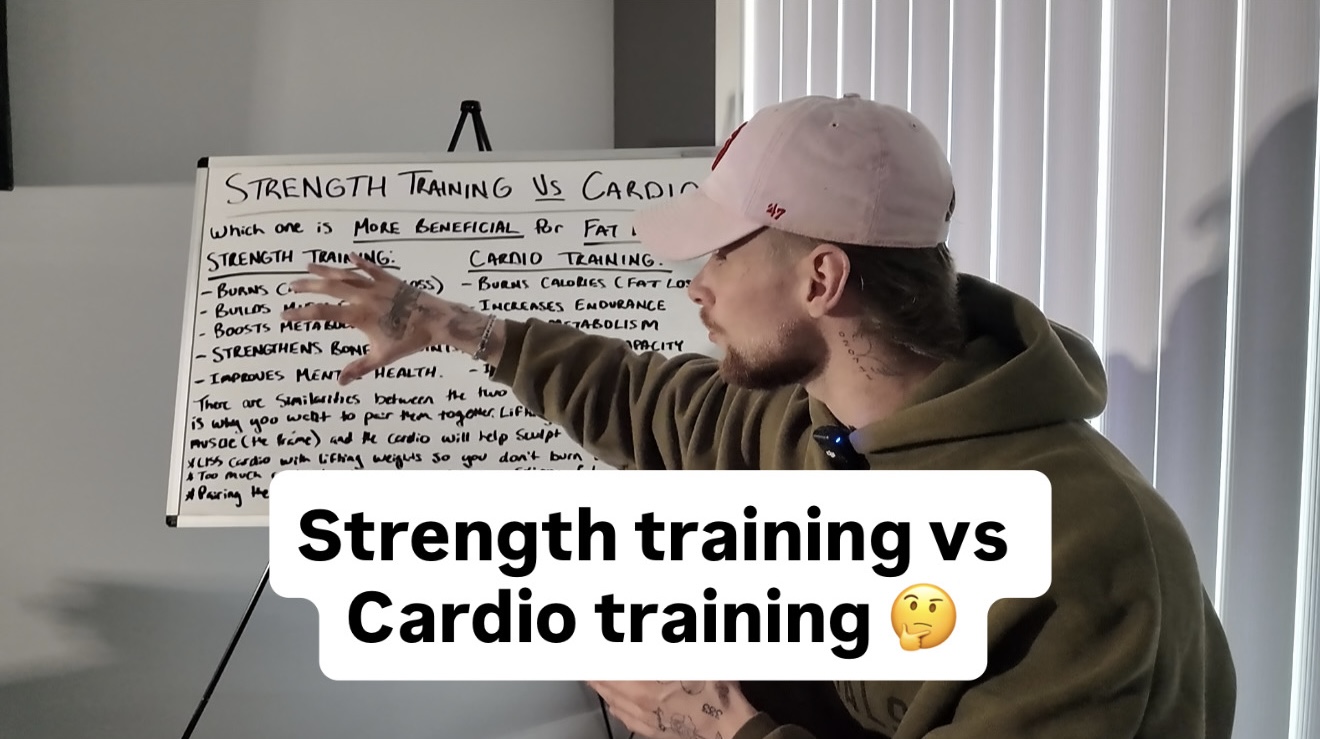
Strength Training vs Cardio Training: The Truth About Fat Loss (And Why You Need Both)
If you’ve ever typed “best workout for fat loss” into Google, you’ve probably seen the same debate a thousand different ways. Some people swear cardio is king because it burns more calories....
Read Article →